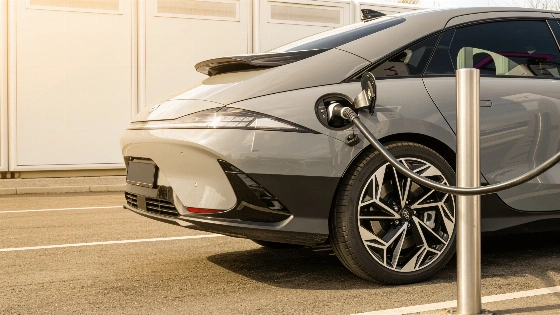
Plug & Charge technology is changing how electric vehicles are charged, removing the need for apps or cards. With brands like Tesla, Mercedes, and Volkswagen adopting the system, drivers can now plug in and power up with unprecedented ease.
Arriving at a charging station and simply plugging in—without fumbling for apps, cards, or payment screens—is no longer a futuristic dream for electric vehicle owners in Spain. Plug & Charge, a system built on digital certificates and encrypted communication, is quietly transforming the EV charging experience, especially at Tesla Superchargers and select networks.
Plug & Charge operates on the ISO 15118 standard, which enables advanced, secure data exchange between the car, the charger, and the energy provider. When a compatible vehicle is connected to a compatible charging point, the system automatically identifies the car, validates the charging contract, and initiates the session. Payment is processed in the background, linked to the user’s contract, with no manual intervention required.
How Plug & Charge Works
The core of Plug & Charge is a digital handshake. The vehicle stores a digital certificate tied to the owner's charging contract. Once plugged in, the charger reads and verifies this certificate, then starts the charging process. This approach not only streamlines the experience but also enhances security, as all communication is encrypted and based on verified credentials rather than simple identifiers.
However, seamless charging depends on three factors: the car, the charger, and the contract must all support Plug & Charge. Not every vehicle with a CCS (Combined Charging System) connector is automatically compatible. The car must support ISO 15118, have up-to-date software, and be linked to a valid charging contract with an installed certificate—usually managed via the manufacturer's app or the car’s infotainment system.
Which Brands Support Plug & Charge?
Brand adoption of Plug & Charge is accelerating. Tesla has pioneered automatic authentication at its Superchargers, allowing drivers to simply connect and charge—though Tesla’s system is technically distinct from ISO 15118, the user experience is nearly identical. Mercedes-Benz has integrated Plug & Charge into its Charging Hubs and affiliated services, while Volkswagen, Cupra, Porsche, and BMW have rolled out compatibility through their own charging platforms and software updates.
Availability still depends on the specific charger and operator. For example, Ionity offers Plug & Charge at select locations in Spain, but not all contracts or vehicles are supported everywhere. Compatibility checks—model, year, software version, and provider—are essential before relying on the feature.
Activating Plug & Charge
Setting up Plug & Charge is typically straightforward. Owners must first confirm their vehicle’s compatibility, information usually found in the manual, charging menu, or the provider’s website. Next, they activate a contract with a compatible provider, link the vehicle by entering the VIN, and download the digital certificate—either through the app or directly via the car’s multimedia system. Once installed, the certificate enables automatic authentication at supported chargers.
As the EV market matures, more brands are expected to adopt Plug & Charge, making the process even more universal. For drivers considering a new electric vehicle, the presence of this feature can be a significant factor in everyday convenience and security.
For those interested in how leading manufacturers are shaping the electric vehicle landscape, a closer look at Mercedes’ approach to comfort and technology can be found in this detailed review of the Mercedes GLC 400 EQ 4Matic.
Key Facts and Context
Plug & Charge is based on the DIN EN ISO 15118 standard, which is increasingly being adopted across Europe. While Tesla’s system is proprietary, its user experience mirrors the Plug & Charge concept. Not all charging stations or contracts support the feature, so drivers should verify compatibility before relying on it for travel. As infrastructure and software continue to evolve, Plug & Charge is poised to become a standard expectation for EV owners in Spain and beyond.