A National Police officer stepped in to protect Ceuta Ya deputy Julia Ferreras and her group after their car was attacked at the port. The incident, tied to tensions over migrant aid groups, has drawn sharp criticism from officials across Spain.
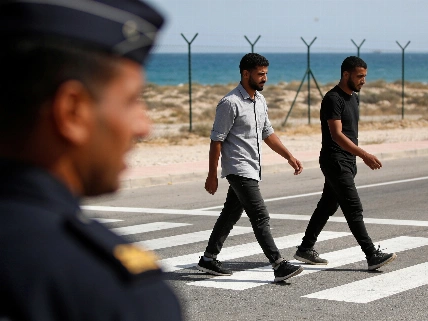
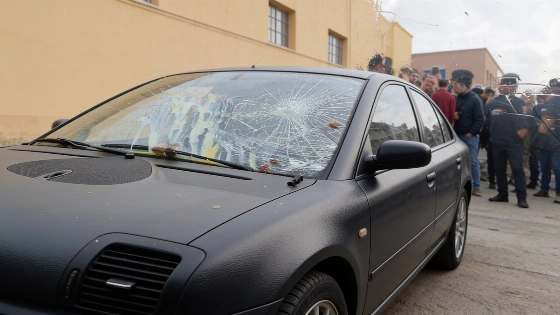
Shattered glass and panic hit the port of Ceuta when the car carrying Julia Ferreras, deputy for Ceuta Ya, came under attack. A National Police officer acted fast. People inside the car say the officer saved their lives.
Activist Rafa Borrego was inside the car. He filmed as protesters smashed the windows. The crowd thought the car belonged to members of the Navarra-based NGO Derecho a Techo. This group had come to Ceuta to document claims of migrant mistreatment by military personnel. Their presence angered local protesters, who accused them of being "proetarras" and linked them to the Basque group Negu Gorriak.
According to Ceuta Actualidad, the attackers mistakenly believed the car belonged to activists from Navarra, which led to the escalation at the port.
Borrego's video from inside the car shows glass breaking, people shouting, and clear fear among those trapped. Julia Ferreras can be heard telling the crowd, "estáis reventando a personas de Ceuta, quillo." The situation got out of control so quickly that police had to step in. Ferreras and her companions got out unharmed, but they were visibly shaken.
The city of Ceuta put out a statement condemning the violence. Ministers from Spain's central government also spoke out against what happened. The attack happened as tensions in Ceuta have been rising. More people have been arriving from Morocco in recent months, and unrest among residents has grown. That same day, National Police reportedly fired warning shots into the air during a protest by locals against Negu Gorriak and Derecho a Techo.
After the ordeal, Rafa Borrego posted on social media. He said, "Quiero aprovechar para mencionar al policía que nos ha salvado la vida literalmente." He also criticized those who claim to defend Ceuta, warning, "se nos está yendo de las manos." The city feels on edge. Borrego's footage shows how quickly anger can turn into violence.
Multiple sources, including El Mundo and La Vanguardia, confirm that National Police fired warning shots into the air to disperse the crowd and prevent further escalation during the protests at the port. This police intervention was crucial in ensuring the safety of those targeted and in restoring order amid rising tensions.
The attack on Ferreras's car was especially violent, but it is not the only recent event raising concerns about safety in Spain. As reported earlier, Madrid has also seen a string of violent incidents, adding to a wider sense of tension and insecurity.
Ceuta's crisis runs deep. Migration, local identity, and political divides all play a part. Many locals view NGOs and activists with suspicion, and their arrival often sparks confrontation. What happened at the port shows how fast rumors and old grievances can turn dangerous, especially when police are the last line between protest and violence.
This attack is a warning for Spanish authorities and civil society. When political fights spill into the streets and put elected officials at risk, the line between protest and lawlessness nearly disappears. Police acted quickly this time, but the deeper problems in Ceuta are still there. Without a clear plan to handle both humanitarian and security issues, more incidents like this could happen soon.