Porsche SE has endorsed Volkswagen’s sweeping restructuring plan, which includes cutting 100,000 jobs worldwide and closing four German factories by 2030. The move aims to restore profitability and sharpen the group’s competitive edge.
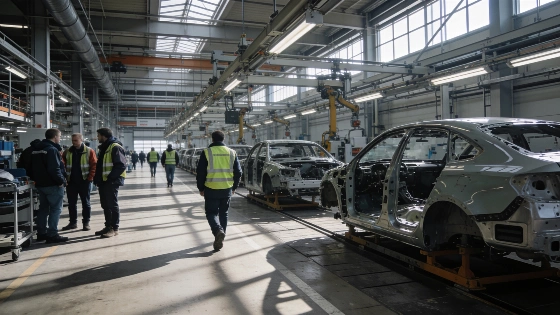
Porsche SE, the largest shareholder in Volkswagen Group, has thrown its support behind a dramatic overhaul that will see 100,000 jobs eliminated globally and four major German plants shuttered by 2030. The plan, presented by CEO Oliver Blume to Volkswagen’s Supervisory Board, is designed to address mounting financial pressures and reposition the automaker for long-term stability.
The restructuring will affect facilities in Hannover, Zwickau, Emden, and Neckarsulm, marking one of the most significant industrial shake-ups in Germany’s recent automotive history. Porsche SE, controlled by the Porsche-Piëch family, has made clear that it expects Volkswagen to act decisively, prioritizing profitability, capital efficiency, and a leaner cost structure. “Volkswagen is at a historic crossroads. The decisions made now will shape its future,” said Hans Dieter Pötsch, chairman of Porsche SE’s board, urging the group to move swiftly and focus on business fundamentals.
Johannes Lattwein, Porsche SE’s board member for finance and IT, emphasized the urgency of reducing overcapacity, slashing costs, and strengthening Volkswagen’s ability to execute. He warned that any delay could see the group lose ground to international competitors. The pressure comes as Porsche AG, the luxury carmaker within the group, has already negotiated a separate reduction of 5,000 jobs, highlighting the scale of the challenge facing the entire consortium.
The financial backdrop is stark. According to elespanol motor, Porsche SE reported a loss of €2.2 billion in the first half of the year, a sharp reversal from a €338 million profit in the same period of 2025. The holding company cited €3 billion in impairment losses on its Volkswagen stake and a further €200 million on Porsche AG, underscoring the need for urgent action.
Volkswagen’s restructuring comes as European automakers face mounting regulatory and market pressures. The group has recently sought new strategies to meet EU emissions targets, including a partnership with Chinese EV manufacturer XPeng. This move, detailed in a recent report on how Porsche is leveraging XPeng’s emissions credits, reflects the broader industry shift as traditional carmakers adapt to stricter environmental rules and changing consumer demand. For more on this strategic pivot, see how Porsche is collaborating with XPeng to comply with EU emissions regulations.
Industry analysts note that Volkswagen’s plan is among the most ambitious in Europe’s automotive sector, signaling a willingness to make tough decisions in the face of global competition and technological change. The coming months will test whether the group can deliver on its promises and restore investor confidence.