Spain’s Partido Popular has formally asked the National Court to charge the PSOE with illegal financing and other serious crimes, intensifying the political and legal battle months before the country’s snap elections.
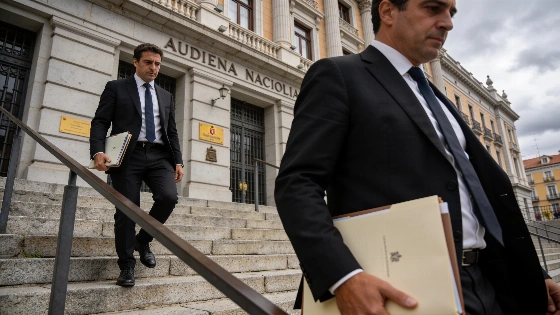
The Partido Popular (PP) has asked the Audiencia Nacional to charge the PSOE as a legal entity with alleged illegal financing, bribery, embezzlement, influence peddling and money laundering. The request comes as Spain enters a tense pre-election period: early elections are set for November 29, the campaign begins November 13, and postal voting runs from October 6 to November 19. Government sources say the decree dissolving parliament and setting the election date will appear in the official state bulletin.
The PP’s complaint centers on the “cloacas de Ferraz” case, a wide-ranging probe into alleged criminal operations run from PSOE headquarters on Madrid’s Calle Ferraz. In its submission, the party singles out leaders, especially Santos Cerdán, then secretary of Organization. The PP accuses them of running a “criminal organization” and using party resources to shield the government and the PSOE from ongoing court investigations. The complaint came just after Pedro Sánchez’s five-day public reflection. The PP filed as a popular prosecution; information from several Spanish media outlets, the public prosecutor’s office has not made a similar move.
Speculation is swirling that the snap election could slow or freeze court action against the PSOE. The PP wants the opposite. Its complaint, sent to Judge Santiago Pedraz, lists what the party describes as criminal acts. It identifies Ana María Fuentes Pacheco, the PSOE’s current manager, as a basic player and claims payments went to people including Leire Díez, Jacobo Teijelo and Ismael Oliver, all allegedly tied to the network. The PP cites Unidad Central Operativa (UCO) reports suggesting PSOE funds, staff and logistics were used to help the network. The party says Santos Cerdán approved or organized some payments.
One of the PP’s most serious claims is that the PSOE used public money disguised as campaign expenses to fund “Crónica Libre,” a media outlet the party describes as basic to the operation. The PP says Ion Antolín, then communications director, approved the payments. The money allegedly moved through consultancies such as Zaño, run by Gaspar Zarrías, who is also under investigation. Independent publications have noted that the court has not confirmed that the PSOE funded Crónica Libre with public money or that Cerdán led a criminal group. Those claims remain under review.
The legal probe continues to grow. The Audiencia Nacional has ordered the PSOE to hand over records of all donations from 2017 to 2024 as part of an inquiry into possible illegal party financing. Judge Ismael Moreno, handling a separate part of the case, has asked the Tribunal de Cuentas for audited donation data for the Sánchez-led party. The aim is to cross-check information about alleged “pitufeo,” or secret party funding, now under sealed investigation. Spanish press reports say the case focuses on former PSOE activist Leire Díez and the possible use of party resources to pressure or discredit people involved in other probes. The court has not recognized a "PSOE case" as such.
The court is also examining a €15 million fake contract submitted by businessman Víctor de Aldama. The document is now basic to Judge Moreno’s confidential review of the party’s accounts.
Sources from the Anticorruption Prosecutor’s Office, cited by EL MUNDO, say no party will be formally investigated as a legal entity during the pre-campaign or campaign. Any charges against the PSOE will so likely wait until after the election. Independent reports say the Audiencia Nacional will continue its investigation, but a decision on whether to formally investigate the PSOE as a legal entity may come only after voters go to the polls.
Spain’s basic parties have fought over corruption and party money before. As reported earlier, the PP has been working to return to power. Its legal challenge to the PSOE signals that it wants to keep the government on the defensive.
The PP’s tactics put the PSOE under pressure to answer questions publicly, while court schedules may delay action against the party. The next few months will test Spain’s institutions and the leaders seeking to govern.