The PP backs participation but questions postal voting after Isabel Díaz Ayuso's warning. Ester Muñoz urges citizens to vote by whichever method they choose.
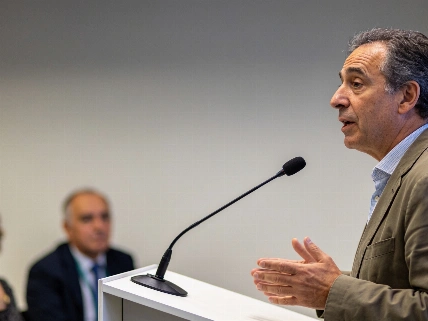
On Tuesday, Ester Muñoz said in León that she preferred to vote in person, while urging voters to use whichever legal method suited them. Her comments came after Isabel Díaz Ayuso called on Monday for people not to vote by post, shortly after the general election was announced.
Muñoz made the remarks in an interview with COPE. She said she understood why some people might doubt postal voting, tying those doubts to Pedro Sánchez's conduct, which she said had not been clean.
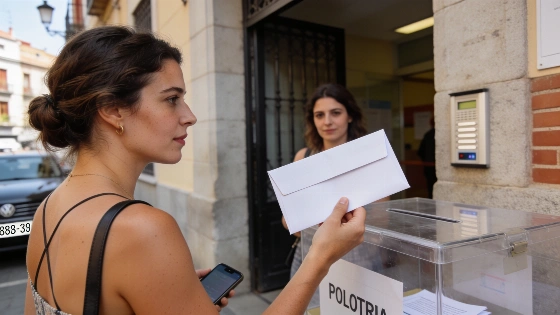
For the 29 November election, postal-voting applications can be submitted from 6 October to 19 November, information from the Correos election timetable. Ballots and documentation are scheduled for delivery from 9 to 22 November. Completed votes can be sent with identification until 25 November.
Muñoz described the election as a chance to change the country. She pointed to the PP's lead in opinion polls and its goal of winning a parliamentary majority with Vox, which would make Alberto Núñez Feijóo prime minister.
The two messages do not fully align. Ayuso is warning voters about alleged traps, while Muñoz is not telling them to abandon postal voting. Instead, she urges them to vote by whichever method they consider appropriate.
The party has issued no formal ban. National PP spokesperson Borja Sémper said the postal system guarantees elections and has controls. He urged supporters to vote in person or by post rather than stay at home, El Constitucional reported.
Ayuso repeated her warning on Tuesday, again calling Pedro Sánchez a trickster who changes the rules of the game. She told people to go to the ballot box but did not explain how the election could be manipulated.
Ayuso also accused Sánchez of expanding the electoral rolls through regularisations. She said his political strategy would bring street disturbances and other distractions. She has forecast up to seven additional parliamentary seats for Madrid, linking as many as three to migrant regularisations and the so-called Grandchildren Law. Demócrata framed this as a political warning about possible changes to the electoral roll and seat distribution, not as proof that voting had been falsified.
The statements offered no concrete mechanism for the alleged fraud. EFE reported that Ayuso spoke of a supposed change to the electoral rolls but provided no evidence of systemic fraud or a weakness in the postal-voting procedure.
Borja Sémper took a different line on Onda Cero, describing Spain's electoral process as built around guarantees. The PP's campaign message now balances reassurance about the system with suspicion directed at the prime minister.
Vox has also backed in-person voting. Pepa Millán called on people to vote at the ballot box on 29 November and warned about the risks of a prime minister who had carried out fraud in a primary election, information from her account.
Millán presented the election as perhaps the last chance for Spaniards to control their own destiny. She said she hoped the contest would be free and peaceful, with clean conduct. Vox leader Santiago Abascal has also questioned postal voting and urged citizens to vote in person. The issue has spread beyond the PP into the wider right-wing campaign.
Podemos secretary general Ione Belarra also criticised Ayuso. Belarra said doubts about postal voting showed a problematic attitude toward democratic participation and linked the dispute to the voting rights of descendants of Spanish emigrants and exiles.
The dispute concerns campaign tactics, who is expected to vote and which channels parties are encouraging them to use.
The PP is celebrating the election call and says it is ready to govern. The contest over alliances was already visible in an earlier report on Sumar's talks with territorial partners. Campaign groups are setting out different electoral strategies.
The practical message is that no party statement is telling people to stay away from the election. Muñoz supports participation by either method, while Ayuso and Vox are pressing voters to attend polling stations.
The PP's position looks less like a ban and more like a warning campaign aimed at postal voting. The weakness is clear: allegations of electoral traps come without a specific explanation of how the alleged manipulation would happen.
Voters are being urged to cast a ballot rather than let political suspicion keep them at home. The reports describe a political and reputational conflict, not an institutional finding that the postal system is unreliable. They do not establish a scheme of electoral manipulation.