Melchor León, a senior PSOE figure in Ceuta, has publicly called for the resignation of Miguel Ángel Pérez Triano. The move exposes deep divisions within the party amid the ongoing migration crisis in the city.
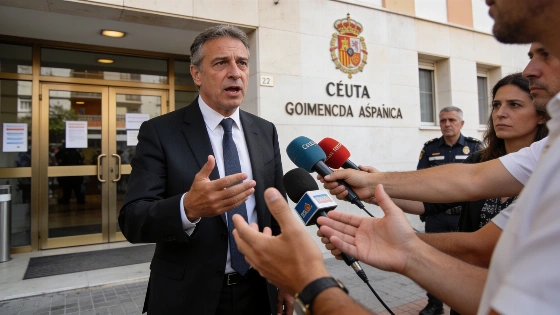
Ceuta's political landscape was shaken this weekend as Melchor León, deputy in the Assembly and second vice president, demanded the immediate resignation of Miguel Ángel Pérez Triano, the Government Delegate and local PSOE leader. León's call, made openly on social media, signals a rare and public split within the Socialist Party at a time when the city faces mounting pressure from a surge in irregular migration.
León, who holds a prominent role in the Assembly, criticized Pérez Triano's handling of the crisis, accusing him of prioritizing personal and political ambitions over the needs of Ceuta's residents. He argued that the Government Delegate has failed to address the exceptional situation, citing economic losses, suspended public events, and a growing sense of insecurity among citizens. According to León, the city has suffered €28 million in damages, with local businesses closing and daily life disrupted.
In his statements, León insisted that the current crisis is not just a political issue but a matter of dignity and public safety. He highlighted concerns about minors' safety, referencing incidents of theft, assaults, and sexual violence that have contributed to widespread anxiety. León made it clear he would not remain silent, even if it meant facing disciplinary action or expulsion from the party, emphasizing that his loyalty lies first with Ceuta.
The deputy's criticism focused sharply on Pérez Triano, whom he accused of turning a blind eye to the city's problems. León argued that a leader who fails to stand with residents during the city's most difficult period in decades cannot continue to represent them. He called for a new figure who would defend Ceuta's interests directly, rather than manage affairs from a distance.
León also accused the central government of withholding information from the public and stated he would continue to speak out regardless of internal party consequences. His remarks come just after the Socialist parliamentary group in Ceuta decided to reshuffle its representation on municipal company boards, consolidating positions around León and Sebastián Guerrero and sidelining several members close to Pérez Triano. The move, officially attributed to organizational reasons, has intensified speculation about internal power struggles.
This internal conflict within the PSOE emerges as Ceuta continues to grapple with the impact of increased arrivals and heightened security concerns. The city's challenges have drawn national attention, with previous incidents prompting visits from senior officials. For example, recent tensions were highlighted when Defence Minister Margarita Robles faced direct protests from residents during a visit, as reported in coverage of local unrest.
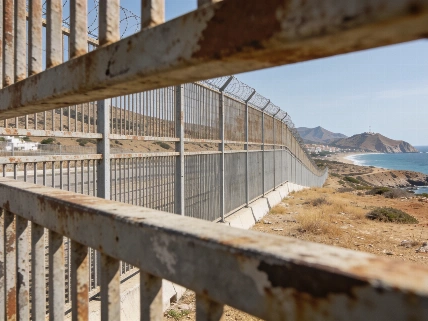
Ceuta's unique position as a Spanish enclave bordering Morocco has long made it a focal point for migration and border security issues. The latest developments underscore the political and social strains such crises can place on local governance. As the city awaits further action from Madrid, the internal rift within the PSOE adds another layer of uncertainty to an already volatile situation. The outcome of this dispute may influence not only the party's local leadership but also the broader approach to managing migration and public order in Ceuta.