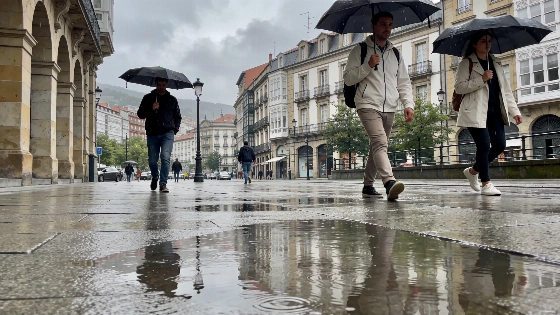
Bizkaia is in for a impressive weather reversal as August opens: rain is forecast to return and temperatures are expected to fall after a period of persistent summer heat. The Basque meteorological agency, Euskalmet, anticipates daytime highs of 24 to 26 degrees Celsius and nighttime lows around 16 degrees at the start of the week. That relative stability is expected to be brief. A new weather front is projected to move in from Tuesday, bringing several days of rainfall and a steady drop in temperatures.
Information from Euskalmet's six-day outlook, the most impressive changes will begin midweek. From Tuesday onward, a frontal system is likely to bring precipitation across the province. By Thursday, maximum temperatures are forecast to dip to about 21 degrees, a clear departure from the recent heat. The agency also notes that Tuesday may bring a slight rise in daytime highs, while minimum temperatures begin to fall, signaling the start of a cooler, wetter pattern.
The Spanish State Meteorological Agency (AEMET) also forecasts a high probability of rain for the second half of the week: 85% on Wednesday, near certainty on Thursday and 40% on Friday. These figures describe the probability of precipitation, not rainfall already recorded. AEMET’s station-observation service tracks hourly readings and accumulated precipitation, with daily temperature extremes also available. Its separate warning service publishes alerts by region and province for hazards such as heavy rain and storms. Instability is expected to ease by Friday, but the 40% probability leaves unsettled conditions possible into the weekend. Shifting weather is not unique to Bizkaia; other regions in Spain have also faced abrupt meteorological changes, as seen when severe storms and hail recently impacted the southeast amid an intense heatwave.
For residents and local authorities, the return of rain and cooler air brings relief from the heat, along with new challenges. The Basque Country often experiences rapid weather transitions in summer, as Atlantic fronts can quickly alter local conditions. These shifts can disrupt daily routines and outdoor events; local agriculture also relies on predictable weather patterns. Forecasts describe expected conditions, while station records document what occurs. Warning bulletins communicate when defined hazards reach alert thresholds. As August progresses, attention will remain on how these weather shifts affect urban and rural life in Bizkaia and the broader Basque region.