Spain’s new regional funding model passed with Catalonia and Canary Islands support. PP-led regions rejected it, citing a deal with Catalonia, despite clear financial gains. The standoff highlights a growing divide over resource allocation.
Spain’s long-delayed overhaul of regional funding has set off a political standoff, with the Partido Popular (PP) rejecting a model that, on paper, benefits every autonomous community. The government secured approval for its new financing system in the Consejo de Política Fiscal y Financiera (CPFF) on September 4, 2026, with support from Catalonia and the Canary Islands. According to the Ministry of Finance, all PP-led regions, along with Castilla-La Mancha and Asturias (both governed by the Socialists), voted against the proposal. Only Catalonia and the Canary Islands backed it.
Rather than debate how the plan would affect their own budgets, PP regional leaders stuck to a single argument: that the model’s origins in negotiations between the PSC and ERC made it illegitimate. This line, repeated since Salvador Illa’s investiture, claims the reform is designed to favor Catalonia. The numbers, however, tell a different story. The new system would add €20,975 million in 2027 compared to the old framework, with every region gaining and none losing out. Andalusia, in fact, stands to benefit the most, yet its representative called the plan a "new punishment for Andalusia."
The reform increases the share of key taxes transferred to the regions: IRPF from 50% to 55% and IVA from 50% to 56.5%.
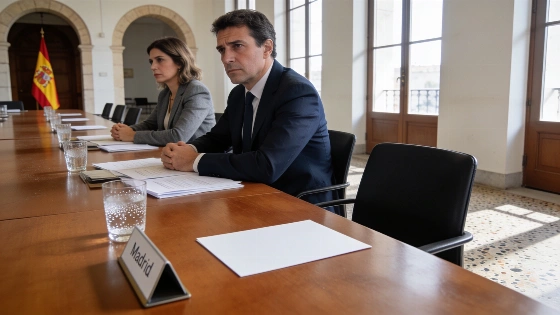
Madrid’s response was even more confrontational. Isabel Díaz Ayuso urged other PP presidents to boycott the meeting entirely. Only Madrid’s seat was left empty—a symbolic gesture that left Ayuso isolated within her own party. The rest of the PP’s regional leaders attended but voted no, caught between party strategy and their responsibility to defend local interests. According to EFE and Demócrata, the Ministry of Finance stressed that the new model is not "special" or "individual" for Catalonia, and that joining the system will be voluntary for all regions.
The PP faces a clear dilemma. Party leaders in Génova want to use regional governments to weaken Pedro Sánchez, while the constitution expects regional leaders to put their communities first. This leaves PP regions voting against a plan that would improve their finances, but unwilling to walk away from negotiations. The Ministry of Finance says the reform is meant to replace a system that has been in place for 12 years and is now outdated.
Spain’s regional funding system has been out of date since 2014. The gap in per capita funding between the best and worst-off regions has grown to €1,098, and could reach €1,509 by 2027 if nothing changes. The government’s proposal aims to close these gaps and modernize how resources are distributed. Still, PP regions focus on the process—specifically, that the model was shaped in bilateral talks with Catalonia. Ironically, when offered their own bilateral negotiations, these regions declined.
After approval in the CPFF, the next steps for the reform are review by the Council of Ministers and then debate in the national parliament. The government aims to implement the new funding model starting January 1, 2027, according to official statements from the Ministry of Finance and EFE.
With the plan now moving to the Council of Ministers and then to the Cortes, the next phase will show whether political tactics again outweigh practical benefits. The current standoff is similar to other recent disputes, such as the Ayuso property controversy, where internal divisions and symbolic gestures took priority over real debate.
Seventeen years without reform have left Spain’s regional funding system increasingly unfair and dysfunctional. The government’s new proposal offers a rare chance to fix these imbalances, but the PP’s refusal to engage on substance points to a deeper crisis of political will. When party loyalty comes before the interests of millions of residents, the promise of Spain’s autonomous model is left in doubt. The numbers are clear, the benefits are real, and yet the opposition sticks to a narrative that serves only short-term strategy. As a result, progress stalls and the regions most in need of change are left waiting for leaders willing to put their constituents first.