Renault is strengthening its presence in Spain, assigning five new models to local factories and urging a pause on EU regulations that are driving up car prices. Company leaders emphasize Spain’s central role in Renault’s European strategy.
Renault’s leadership is reaffirming Spain’s importance, positioning it not just as a manufacturing site but as a strategic core for the company’s European future. With five new models allocated to Spanish plants, the French automaker signals that Spain is now a central pillar in its operations, not merely a peripheral branch.
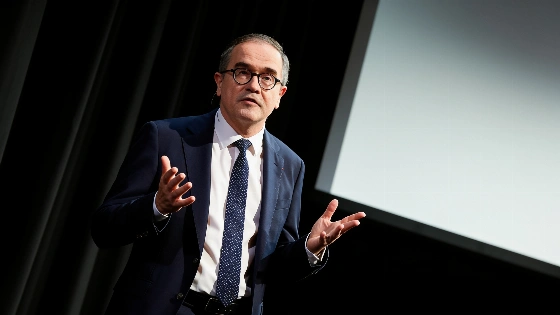
François Provost, CEO of Renault Group, was direct about the company’s priorities. “Renault no es solo una empresa que fabrica coches en España, sino que afecta a toda la cadena de valor del vehículo,” he stated, highlighting Renault’s influence across the entire automotive value chain. Strategic partnerships with companies like Gestamp and Iberdrola have further integrated Renault into Spain’s automotive ecosystem, connecting energy and component supply with its manufacturing activities.
In 2025, automakers invested a record €3.2 billion in Spain, despite a 56% drop in profits, according to OICA data.
This renewed focus comes as European carmakers contend with a surge of new regulations. Provost has openly criticized the EU’s regulatory approach, warning that excessive rules are making cars unaffordable for many buyers. “Necesitamos un camino razonable para la electrificación, pero es una locura multar a los fabricantes si no cumplen,” he argued, calling for a ten-year freeze on new regulations and advocating for a managed approach to Chinese brands entering Europe.
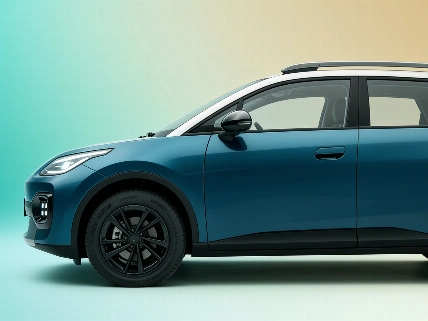
Within Spain, Renault’s Valladolid and Palencia plants are being transformed into centers for hybrid and electric vehicle production. Palencia will produce the first Renault models fully made in Spain, while Valladolid will take on two new hybrids. This shift follows challenging negotiations with unions, but Fabrice Cambolive, CEO of the Renault brand, noted that constructive talks with workers’ representatives paved the way for agreement.
Renault’s strategy is to invest in Spain’s industrial base, protect jobs, and secure its future in a country it now calls its “second home.” The Palencia plant currently produces the Austral, Rafale, and Espace, while Valladolid manufactures the Symbioz, Captur, and Mitsubishi Grandis and ASX. The new model assignments ensure stable workloads and employment well into the next decade.
According to Spanish and Catalan media, Renault has committed to producing five electric models at its Valladolid and Palencia plants by 2028, marking a significant long-term shift of production to Spain and reinforcing the country’s role as a key hub for the European automotive industry.
Provost is also firm on hybrid technology, dismissing mild hybrids as “a fake” and insisting that only full hybrids and pure electrics deliver real value to customers. This stance distinguishes Renault from competitors relying on partial electrification.
As the European auto sector faces increasing pressure from regulators and new market entrants, Renault’s approach in Spain stands out for its focus and determination. The company’s position echoes industry concerns, as reported earlier, about the disruptive influence of Chinese manufacturers and the need for a balanced regulatory environment.
Renault’s decision to anchor its hybrid and electric strategy in Spain is more than a business move—it’s a calculated investment in the country’s industrial strength and its role in shaping the future of European mobility. By demanding regulatory stability and building local partnerships, Renault is not only protecting its market position but also helping define the industry’s direction. For Spain, this means jobs, technology, and a stronger voice in the evolving automotive sector. For the industry, it’s a reminder that clear strategy and local commitment remain crucial amid shifting alliances and regulatory challenges.