Repsol’s CEO has raised concerns about Europe’s ability to secure enough diesel and kerosene this summer. While Spain is better prepared, other EU countries face heightened vulnerability due to refinery closures and global tensions.
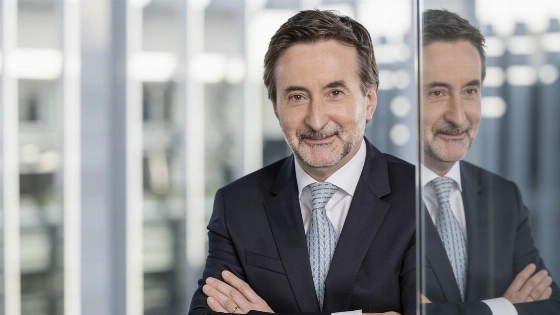
Repsol CEO Josu Jon Imaz has issued a stark warning about the risk of fuel shortages in Europe as the continent heads into the peak summer season. Presenting the company’s half-year results, Imaz admitted he is “very concerned” about Europe’s ability to secure enough diesel and kerosene in the coming months, citing volatile energy markets and mounting geopolitical tensions in key regions such as the Strait of Hormuz.
Despite the uncertainty, Imaz sought to reassure Spanish consumers, emphasizing that Repsol is “prepared for the worst scenario.” The company’s extensive domestic refining network, including modernized plants like Petronor, allows it to process crude from diverse sources and maintain a robust supply of essential fuels. According to Imaz, this operational strength means Spain can not only meet its own demand but also support neighboring countries with up to 30% of its production if needed.
Repsol’s resilience is the result of years of sustained investment in local refining infrastructure, reducing Spain’s reliance on imported refined fuels. This strategic approach has become especially critical as Europe faces the consequences of refinery closures and limited internal processing capacity. The risk is particularly acute for countries in central and northern Europe, where supply chains are more exposed to disruptions in maritime routes from the Persian Gulf.
The threat is not limited to road diesel. Kerosene, vital for the aviation sector during the busy summer travel period, is also at risk if international shipping lanes are disrupted or prices surge. As noted by industry analysts, the margin for error in Europe’s fuel logistics is now extremely slim, and any prolonged supply chain issues could quickly translate into higher costs for airlines, transport companies, and ultimately, consumers.
To mitigate these risks, Repsol has increased its working capital and stockpiled raw materials to ensure continuous production at its refineries. The company’s leadership argues that traditional refining remains essential for economic stability during periods of geopolitical turbulence. Meanwhile, other European countries are scrambling to diversify their import sources and strengthen their own energy infrastructure, hoping to avoid the kind of bottlenecks that could paralyze transport and tourism at the height of summer.
These concerns echo broader anxieties about the fragility of Europe’s energy balance. As highlighted in recent coverage of Spain’s efforts to manage peak travel demand—such as the launch of new vehicle models tailored for summer mobility—the ability to guarantee fuel supply is now a central issue for both economic activity and daily life.
Contextually, Spain’s position is relatively strong thanks to its modernized refineries and diversified crude sources. However, the situation remains fluid, and any escalation in global tensions could quickly alter the outlook. For now, Repsol’s preparations offer a measure of security, but the warning from its CEO underscores just how precarious Europe’s energy landscape has become.