Torrential rain has left parts of Barcelona and nearby towns underwater. Trains stopped. Residents told to stay inside. Emergency crews race to control flooding in hospitals, homes, and transport hubs as Catalunya faces a weather crisis.
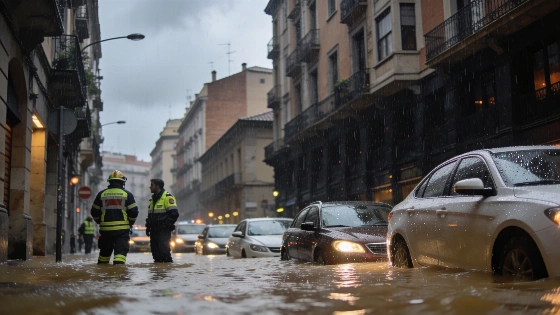
By late afternoon, Barcelona was in trouble. Water filled streets. Cars stalled and floated. Hospital corridors flooded. Neighborhoods were cut off. Daily life stopped. The city and its suburbs took a direct hit from a storm that few saw coming.
Gran Via and Tetuán turned into a river. In l'Hospitalet, water rushed through homes and streets. The Hospital de Vall Hebron flooded so badly that Badalona’s mayor, Xavier Garcia Albiol, spoke out in public. At Bellvitge station, cars vanished under the water. Ronda de Dalt was blocked by half a meter of water. Traffic could not move.
Barcelona authorities activated the municipal flood emergency plan on October 3, urging residents to avoid flood-prone areas and secure loose objects that could be swept away.
Meteocat did something it had never done before. All three precipitation thresholds hit red alert at once. The Catalan Interior Ministry told people to stay inside during the worst hours. The government set strict limits on movement and outdoor activity from Saturday afternoon until Sunday at 14:00. No one could ignore the risk.
Public infrastructure failed to hold. Water poured onto the platforms at Sants railway station. Transport Minister Òscar Puente called the rainfall “terrible” and shared images of the damage. Rail service in high-risk areas stopped at 20:00. Commuters were left stranded. The emergency response grew more complicated by the hour.
Maresme was hit too. Floods and power cuts spread as the storm moved on. In Baix Llobregat, especially in Cornellà and l'Hospitalet, emergency teams faced one call after another. The Bombers’ Grae unit went to Ulldecona. Their job: rescue animals trapped by floodwater on a local farm. The crisis was not just urban. Rural areas suffered as well.
According to official reports, the Generalitat restricted mobility in 20 Catalan districts, establishing a time window from 20:00 to 14:00 the next day, and Renfe suspended several long-distance and regional trains due to the high weather risk. These measures affected not only Barcelona but also a wide area across Catalonia, reflecting the unprecedented scale of the emergency response.
Earlier warnings about torrential rain in Catalunya had piled up. But this storm was different. The scale and speed forced authorities to use every resource. Images from Barcelona, l'Hospitalet, and nearby towns showed how fast the city’s systems can fail. It happened in hours.
This storm exposed real weaknesses in Catalunya’s emergency plans and public works. Heavy rain turned into chaos. Even big cities are not safe from extreme weather. The government’s fast restrictions and the red alert showed a system under stress. But officials acted fast. For residents, the warning is simple. When the weather shifts, there is no room for mistakes. The next few days will show if the city’s infrastructure and emergency teams can keep up with nature’s surprises.