Extremadura's rate of acute respiratory infections rose from 51.5 to 97.7 cases per 100,000 inhabitants in one week. The increase is now visible at pharmacy counters in Plasencia, where triple tests and FFP2 masks are in greatest demand.
At El Pilar 24 horas, pharmacist Encarna Aparicio says more customers are arriving with respiratory symptoms, including coughs and nasal congestion, and asking what to do. Stocks have run out at certain moments.
Combined tests covering influenza A and B alongside covid-19 are selling fastest. Technician Javier Muñoz also reports frequent purchases of FFP2 masks. Many buyers are heading to medical consultations or hospitals.
Spain's national figures point in the same direction: covid-19 in primary care rose from 11.4 to 20.8 cases per 100,000 inhabitants in one week.
Extremadura's wider acute respiratory infection indicator rose from 51.5 to 97.7 cases per 100,000. The increase is much larger in absolute terms than the national rise, and pharmacies are seeing the effect directly.
Data from the SiVIRA surveillance system of the Carlos III Health Institute shows that covid-19 in ambulatory care rose from 8.0 to 11.3 cases per 100,000 during 7 to 13 September 2026. Test positivity also increased, from 15% to 16.7%. SiVIRA estimated the overall rate of acute respiratory infections at 261.1 cases per 100,000, below the epidemic threshold. The national picture did not yet indicate a broad respiratory-infection wave, despite the measurable increase in covid-19 in primary care.
Autumn has brought children back to school and adults back to workplaces. People are also spending more time indoors, while heat alerts are still being issued in some areas.
Those changes have put covid and influenza back into everyday health conversations. Rapid tests and respiratory protection are becoming more common purchases.
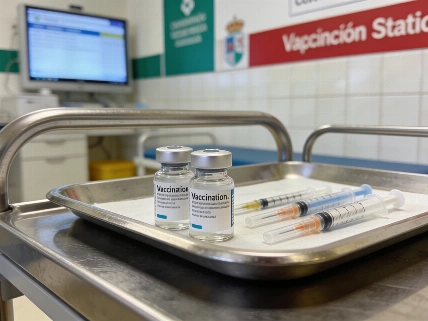
The Servicio Extremeño de Salud is preparing its vaccination campaign, due to start at the beginning of October. Regional health authorities have scheduled the campaign for 1 to 15 October 2026 and will vaccinate children aged 3 to 11 against influenza directly in schools for the first time. The campaign has not begun yet.
Regional health authorities connected the school vaccination plan to the high level of influenza among children last season. Surveillance data reached as many as 491 cases per 100,000 in some age groups.
For residents, the immediate issue is practical. More people want guidance about symptoms, and at least one Plasencia pharmacy is using masks and tests faster than usual.
The figures do not show the cause of every cough or fever, nor do they justify treating every symptom as covid or influenza. They do show a clear weekly increase and a matching rise in pharmacy purchases.