Madrid’s PSOE is at a crossroads as Reyes Maroto and Enma López race to secure 823 endorsements. The contest exposes internal divisions and could reshape the party’s direction in the capital.
The Madrid branch of the PSOE is experiencing a rare moment of internal competition as two prominent figures, Reyes Maroto and Enma López, battle to secure enough endorsements to run for party leadership in the city council. With the deadline for collecting the required 823 signatures looming, both candidates have intensified their campaigns, highlighting a split within the party that could have lasting effects on its future in the capital.
Reyes Maroto, the current leader of the municipal group and former minister, is widely seen as the favorite, backed by the party’s central apparatus. Her supporters argue that her leadership reversed a trend of declining seats for the PSOE in Madrid, pointing to the 2023 municipal elections where the party improved its standing to 11 seats, up from a historic low of eight. Maroto’s message focuses on continuity and consolidation, emphasizing that successful projects require stability rather than frequent changes in leadership.
Enma López, deputy spokesperson in the city council, surprised many by announcing her candidacy just two weeks ago, a move that reportedly caught the party’s federal leadership off guard. López has positioned herself as the candidate of change, appealing to members dissatisfied with the current direction and calling for a new approach. Her campaign has been particularly active on social media, where she has branded her effort as an “avalmaratón,” and she has spent recent days visiting local party groups to rally support. While some insiders believe López can reach the endorsement threshold, others remain skeptical about her influence within the party’s internal structures.
The contest has stirred debate among party members. Some see López’s challenge as a sign of renewed grassroots energy, with previously disengaged members—both young and old—becoming active again. Others worry that the primary could deepen divisions and leave wounds that will be difficult to heal. The atmosphere is tense but outwardly calm, with both candidates focusing on gathering endorsements rather than engaging in public confrontation. Maroto has publicly expressed disappointment over the timing of López’s announcement, suggesting it did not respect established procedures, while López insists her candidacy reflects genuine calls for change from within the party.
Within the city council, most PSOE councillors back Maroto, but López has received public support from Antonio Giraldo, who argues that her campaign has sparked new enthusiasm among the membership. Giraldo has called for the primary process to be viewed as a constructive debate rather than a source of division, emphasizing the need for responsibility and perspective.
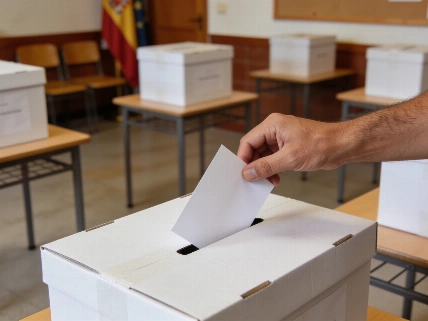
If both candidates succeed in collecting the necessary endorsements by Saturday’s deadline, the next phase will be a campaign for votes, culminating in the first round of balloting on July 19. The outcome could influence not only the party’s strategy in Madrid but also its broader approach to regional and national politics, especially after recent disappointing results in other regions such as Aragón and Andalucía.
This internal contest comes at a time when Spanish politics is marked by heightened scrutiny of party leadership and internal dynamics. Recent developments, such as the Supreme Court’s confirmation of a kickback scheme involving senior PSOE figures, have added to the sense of urgency and introspection within the party. For more on the broader context of party challenges and legal scrutiny, see this analysis of the court’s findings on public works contracts: how recent court rulings have impacted PSOE’s national standing.
Primaries are not common in Spanish municipal politics, and the current situation in Madrid is notable for the level of public engagement and the clear contrast between the candidates’ visions. The result will determine whether the PSOE in Madrid continues on its current path or embarks on a new direction shaped by grassroots activism and calls for renewal. The coming days will be decisive for both the party’s leadership and its prospects in the city’s political landscape.