Ana Ramos, 25, kept her job but could no longer afford to live alone as rent and daily expenses soared. Her story highlights how even steady employment no longer guarantees independence for Spain’s youth. The struggle to move out is now a financial calculation, not a personal failure.
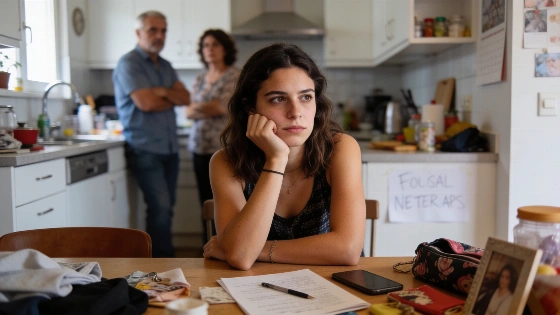
Ana Ramos, 25, recently made the difficult decision to move back in with her parents, despite holding a steady job. After two years of living independently, she found her monthly salary could no longer keep pace with rising rents and everyday expenses. As she told COPE on July 28, 2026, "I have a job, I get paid every month, and yet I had to return to my parents' home." Her experience is not the result of unemployment, but of a financial squeeze that made solo living unsustainable.
When Ramos first left home, she believed that working and paying her own rent would secure her place as an independent adult. But as rental prices climbed, her budget shrank. The cost of housing, combined with routine bills, left little room for anything else. Eventually, the numbers no longer added up, and she was forced to give up her apartment. The details of her salary, rent, and city remain private, but the outcome is clear: regular income is no longer enough for many young Spaniards to maintain autonomy.
Independence Out of Reach
Ramos’s story is echoed in national data. According to the latest Observatorio de Emancipación from the Consejo de la Juventud de España, published in May 2026, only 14.5% of young people in Spain live independently—the lowest rate ever recorded. The average age for leaving the parental home has risen to 30.2 years. Meanwhile, the average rent now stands at €1,176 per month, swallowing up 98.7% of the average young worker’s salary.
The report also notes that nearly half of young renters spend more than 30% of their income on housing. For those who do manage to rent, the risk of poverty jumps from 25.9% to 43% after paying rent. Buying a home is hardly an alternative: the average price for a free-market property is €223,000, with a typical down payment of €66,900—figures far out of reach for most young professionals.
From Stigma to Strategy
Initially, Ramos saw her return home as a personal setback. Over time, she reframed it as a practical response to economic realities. "I don’t think we’ve failed," she reflects, rejecting the idea that her situation is due to a lack of effort. Instead, she points to the structural challenges that make independent living nearly impossible for many, even those with stable jobs and higher education. The Consejo de la Juventud de España confirms that employment and degrees no longer guarantee emancipation. Family support has become a crucial safety net, especially as regional rental assistance programs like the Bono Alquiler Joven remain inconsistent and difficult to access.
Saving for a Future Home
Now back with her parents, Ramos is focused on saving for a home of her own. She hasn’t specified how much she can put aside or where she hopes to buy, but she’s realistic about the hurdles. The savings required for a down payment are daunting, and the timeline remains uncertain. To connect with others in similar situations, she shares her journey on TikTok, contrasting her experience with stories of young people who have managed to buy property after years of sacrifice. The differences in salary, location, and family support are stark.
Ramos’s story is part of a broader trend: for many young Spaniards, returning to the family home is no longer a mark of failure, but a necessary step to regain financial stability. As the housing crisis deepens, even skilled newcomers face challenges. For example, one Argentine bricklayer recently found rapid job offers in Spain, highlighting the demand for certain professions, but for most young workers, the path to independence remains uncertain.