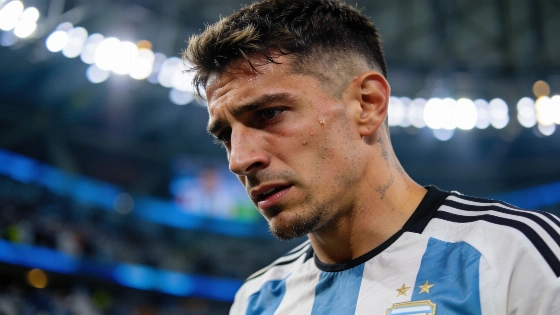
Rodrigo De Paul broke his silence after Argentina’s World Cup final loss. In a direct Instagram message, he confronted conspiracy theories and global criticism. His words highlight the tension surrounding the team’s performance.
Rodrigo De Paul, a key figure in Argentina’s national football team, has issued a forceful public response following the team’s defeat in the World Cup final. Posting on his Instagram profile, De Paul addressed the wave of criticism and speculation that erupted after the match, focusing on accusations of conspiracies and the intense scrutiny directed at Argentina’s playing style.
In his message, De Paul acknowledged the disappointment of not bringing the trophy home, but emphasized that the connection between the team and its supporters goes beyond any single victory. He pointed to the widespread anticipation of Argentina’s loss and the proliferation of unfounded conspiracy theories throughout the tournament, suggesting that these narratives were attempts to diminish the team’s achievements and the joy of its fans.
The midfielder, who returned to the starting lineup for the final after being benched in the semifinals, did not hold back in his assessment of the external pressure. He argued that the criticism and rumors only served to reinforce the team’s unity and the enduring pride he feels in representing Argentina. According to De Paul, the passion and commitment of the squad remain unshaken despite the outcome.
This public statement comes amid a broader context of heightened emotions and debate surrounding the World Cup final. The match itself drew global attention, not only for the result but also for the controversies and narratives that followed. The scrutiny of Argentina’s approach and the reactions from international observers have kept the discussion alive well after the final whistle. Notably, the atmosphere around the final was also marked by high-profile moments, such as the Spanish Royal Family’s appearance at the event, which drew its own share of public interest and was covered in detail in reports like coverage of the TVE broadcast interruption during the Spain–Argentina match.
For context, Rodrigo De Paul has been a central figure in Argentina’s recent football successes, including the team’s previous World Cup triumph. His leadership and presence on the field have made him a focal point for both praise and criticism. The aftermath of the final has reignited debates about the pressures faced by top athletes and the impact of public narratives on national teams. As the dust settles, De Paul’s statement underscores the emotional stakes and the ongoing conversation about sportsmanship, national pride, and the realities of competing on the world stage.