Pedro Sánchez calls for a national pact on climate emergency as wildfires devastate Spain. Opposition parties remain reluctant to negotiate, raising doubts about real progress. The government’s approach faces renewed scrutiny.
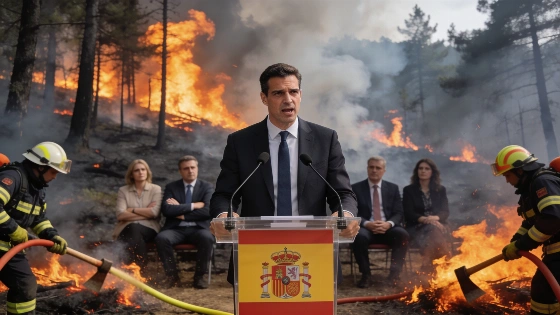
Pedro Sánchez has publicly urged Spain’s political forces to unite behind a “pacto de Estado frente la emergencia climática” as wildfires continue to inflict severe damage across the country. Despite the urgency, the president’s call for a broad agreement has met with little enthusiasm from opposition leaders, casting uncertainty over the prospects for a meaningful deal.
Recent days have seen Sánchez emphasize the need for a coordinated national response to the escalating wildfire crisis, which has already affected tens of thousands. However, there are no signs of active negotiations between the government and key opposition figures such as Feijóo or Abascal. The absence of high-level meetings or visible outreach efforts suggests that the climate pact is not being prioritized in the same way as previous political agreements, including those that secured Sánchez’s own investiture or facilitated Salvador Illa’s government in Catalonia.
Observers note that Sánchez has previously demonstrated a willingness to make significant concessions when political stakes are high, including granting amnesty or proposing reforms to regional financing. This history raises questions about what the government might offer now to secure opposition backing for a climate pact. Yet, so far, the opposition appears unmoved, and the government has not matched the intensity of past negotiation efforts.
Some argue that the lack of progress is partly due to the opposition’s limited interest in dialogue. Even so, Sánchez’s track record shows that he is prepared to pay a political price for agreements he deems essential, even at the risk of internal party tensions or electoral setbacks. The Popular Party is expected to drive a hard bargain if talks advance, but it remains unlikely that their demands would surpass the scale of concessions already made to other political partners in recent years.
This impasse has led to speculation that the president’s proposal may serve more as a tactical maneuver than a genuine attempt at consensus. The persistent wildfires highlight deep-rooted challenges in Spain’s ability to respond to environmental emergencies. These issues extend beyond the national government, implicating regional and local authorities as well. Yet, the current approach to political negotiation appears unchanged, with little evidence of the new urgency that the climate crisis demands.
Spain’s struggle with wildfires is not new. In previous summers, entire regions have faced evacuations and widespread disruption, as seen when central Spain was forced to evacuate residents and coordinate emergency responses. The recurring nature of these disasters underscores the need for a robust, unified strategy. According to official data, Spain is among the European countries most affected by wildfires, with climate change intensifying both frequency and severity. The lack of a comprehensive national pact leaves local authorities and emergency services to manage crises with limited resources and coordination. As the climate emergency grows more acute, the effectiveness of Spain’s political response remains under scrutiny, and the absence of cross-party consensus could have lasting consequences for both policy and public safety.