Economist Santiago Niño Becerra says Spain’s housing crisis won’t end until more homes hit the market. He blames millions of empty properties and the unchecked rise of tourist rentals, tracing the roots back to the 1950s.
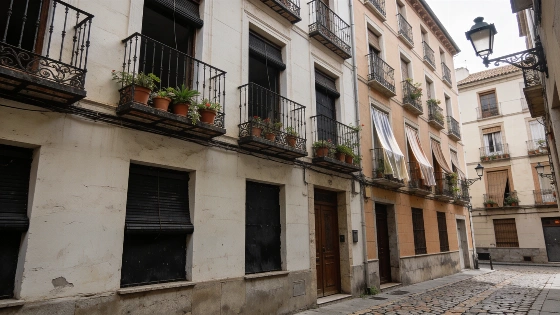
Four million homes in Spain sit empty. That’s the number economist Santiago Niño Becerra points to as the country’s housing crisis boils over. He says the only way out is to put more homes on the market—fast.
Becerra doesn’t mince words. He says Spain’s housing mess is decades in the making. Policy failures and neglect have piled up. Now, the government faces angry crowds and a problem that won’t go away with quick fixes.
According to Spain’s Ministry of Housing, the average price of free-market housing reached €2,355 per square meter in the second quarter of 2026, marking a 12.5% year-on-year increase.
After the eviction of Maricarmen made headlines, pressure on officials spiked. The government is now drafting ten emergency measures. Their goal: slow down runaway prices, curb speculation, and rein in tourist rentals. Protesters have set up camp in Madrid’s Puerta del Sol. They say they’ll stay until the next council of ministers delivers a real fix. The mood echoes the 15M movement. Thousands of young and older Spaniards demand a fair shot at a home. According to official estimates cited by Euronews, the protest on September 26–27, 2026, drew between 25,000 (police) and 300,000 (organizers) people. The anger is real.
Becerra traces the roots back to the 1950s. Back then, mass construction focused on selling homes, not on long-term access. Things got worse after 2010. Cities pushed tourist rentals. Families turned spare homes into short-term lets for extra cash. “Today the housing problem exists because nothing has been done to prevent it,” Becerra says. He blames years of inaction. The Bank of Spain now puts the housing shortfall at about 755,000 homes. That number could top one million by 2028 if nothing changes.
As reported earlier, the eviction that sparked the protests has become a symbol of a system under strain. The government’s next decree will show if leaders are ready to take on the powerful interests behind scarcity and speculation. Prime Minister Pedro Sánchez has promised to push a housing decree, according to statements reported by Euronews.
Subsidized rental housing makes up less than 2% of Spain’s housing stock, compared to an EU average of about 8%, highlighting a structural weakness in the country’s approach to affordable housing.
Spain isn’t alone in facing a housing crunch. But the sheer number of empty homes and the surge in tourist rentals make its case stand out. Unless leaders follow Becerra’s advice and unlock existing supply, the cycle of outrage and half-measures will drag on. The facts are clear. The next move is up to those in power.