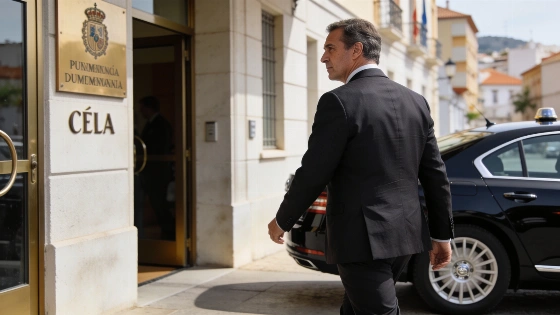
Miguel Ángel Pérez Triano is expected to leave office this Monday. His resignation follows allegations over CNI warnings before the mass arrival from Morocco and an expanding judicial inquiry.
One reported CNI alert was sent on 29 July at 13:52. It warned of a potentially imminent mass entry, with migrants possibly crossing the border or reaching Ceuta by sea. The alert is now at the centre of the dispute over Miguel Ángel Pérez Triano's role.
More than 80,000 irregular migrants arrived from Morocco during the July migration crisis. The main question is whether Pérez Triano knew about the intelligence warnings before the mass entry. Investigators are also examining what happened after the alerts were issued.
That dispute remains.
Pedro Sánchez's Government has pushed for Pérez Triano's departure after weeks of pressure. He has repeatedly denied knowing about the warnings. He stayed in office until this week and is expected to announce his resignation on Monday.
The central executive is preparing a replacement. ARA English reported that a Moncloa source described the departure as a personal decision after many weeks of intensive work.
One reported CNI alert was sent on 29 July at 13:52 and referred to a potentially imminent mass entry, with indications that migrants could cross the border or approach Ceuta by sea.
The immediate political trigger was the resignation of Gonzalo Sanz.
Sanz was Pérez Triano's chief of staff. In his resignation letter, he said he had passed the CNI alerts to the delegate. The warnings reportedly described a mass entry into the Spanish city as highly likely.
Pérez Triano's account conflicts with Sanz's. That clash has put the delegate at the centre of the Government's handling of the episode. His position became harder to maintain.
The court case is widening too. Around two weeks ago, María Tardón of the Audiencia Nacional took charge of proceedings that had started in a Ceuta court. The case concerns the delegate's conduct during the mass arrival.
Hazte Oír expanded its complaint and asked for Pérez Triano to be questioned as an investigated person. It also sought the preservation of emails, recordings and relevant police reports. El Debate reported that the evidence request is meant to show how the warnings were passed on and how police organised their response.
Gonzalo Sanz resigned on 11 September, turning the dispute over the chain of information into a direct political problem for the Ceuta delegation. The conservative opposition has called for Congress to clarify who received the CNI warnings and who was responsible for acting on them.
Sanz is due to give evidence this Monday. The former chief of staff is expected to appear on the same day Pérez Triano announces his departure. The political change and the court proceedings will therefore take place at almost the same time.
The original investigation began with a complaint from Manos Limpias. The organisation did not ultimately join the proceedings. The court said it therefore lacked procedural standing to request investigative steps and did not rule on the measures it had sought.
The complainants accuse the delegate of several offences: prevaricación, failure to pursue crimes, denial of assistance, and negligent homicide and injuries by omission. These are allegations under investigation. They are not judicial findings.
There is no available information showing that Pérez Triano has been convicted. The court has not confirmed the accusations.
María Tardón is also scheduled to hear Juan Jesús Vivas, president of the Ciudad Autónoma, as a witness. His testimony and Sanz's evidence will be considered alongside material about the alerts, the police response and the delegate's decisions.
Questions about official communication and responsibility remain open. An earlier media dispute examined a similar fight over control of public messaging in an earlier media dispute. The Ceuta case is narrower. It concerns warnings before a mass arrival and the duties of public officials.
Pérez Triano's resignation will not end the judicial investigation. It will not decide whether the accusations are upheld. He will leave office as testimony is gathered and as the Government prepares a replacement.
The administration has chosen a change of leadership. The CNI warnings became the central dispute around its representative in Ceuta.