Volkswagen’s sweeping job cuts and plant closures in Germany could turn into a lifeline for Seat. The Spanish automaker stands to inherit new models and secure jobs as the group restructures its European operations.
Volkswagen’s plan to cut 50,000 jobs and reconsider the future of four major German plants has unsettled the European auto industry. For Seat, the Spanish brand often overlooked within the group, this shake-up could signal a turning point.
With the approval of Plan Futuro 2030, Volkswagen is not only reducing its workforce. The company is also weighing new uses for its factories in Emden, Zwickau, Hannover, and Neckarsulm between 2031 and 2034, acknowledging that European production now exceeds demand by more than half a million vehicles. This has forced Volkswagen to rethink its manufacturing strategy. According to the official press release, a new production plan for European plants is due by June 2027, but there is no guarantee of steady work for the four German sites in the early 2030s.
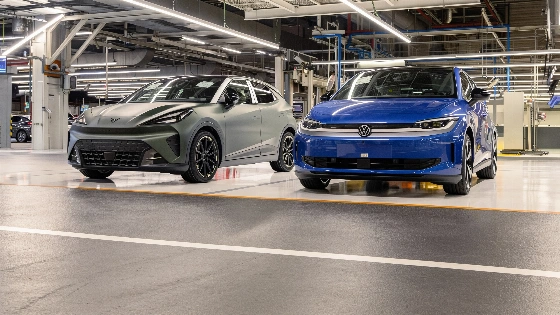
Spanish media report that Martorell has started serial production of the first VW Group electric vehicles assembled in Spain, strengthening its strategic role in the group's electrification plans.
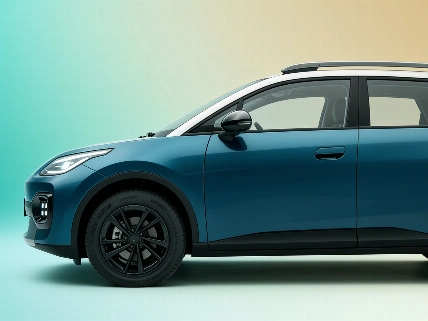
While the German plants face an uncertain future, Seat’s Martorell facility near Barcelona is becoming more important. The plant already builds Seat models and key Cupra vehicles like the León, Raval, and Formentor. More recently, it began assembling the Volkswagen ID. Polo, a model central to the group’s electric plans. Spanish outlets note that production lines for the Cupra Raval and Volkswagen ID. Polo are now crucial to Martorell's workload.
Internal sources say all Spanish Volkswagen plants are now better placed to receive new production assignments. If German sites close or change roles, Martorell and other Spanish factories could take on more models, possibly including vehicles from other group brands. Seat’s management says both the Martorell plant and its workforce are secure. According to WirtschaftsWoche, internal documents show that some production may move to new sites in Eastern Europe, with models like the ID.4 and Q4 e-tron possibly shifting to Mladá Boleslav, Bratislava, Poznań, and Leipzig.
Volkswagen’s transformation plan is its largest yet, built around twelve initiatives. The group wants to cut its model range by half by 2035, reduce complexity by 75%, and focus on high-volume, advanced vehicles. Financially, the goal is a nine percent operating margin by 2030, with annual sales of nine million vehicles. The plan also calls for a third of non-core investments to be sold or restructured, and for leadership to become more agile and accountable.
While several sources report the possible phase-out of the Seat brand by 2029, Volkswagen has not officially confirmed this in its published press releases. Spanish publications emphasize that even if the Seat brand is discontinued, this does not necessarily mean the closure of Seat S.A. or the Martorell plant; the main risk for the region is the future allocation of new models within the group.
For Seat, the lack of recent new model launches has raised questions about its long-term direction. But the current crisis at Volkswagen may change that. As the group consolidates production, Spanish plants could become central to its European manufacturing, taking on models from Germany and keeping thousands employed.
These changes follow months of speculation and internal debate. As reported earlier, Volkswagen’s restructuring is a response to falling sales, overcapacity, and tough competition from Chinese automakers. The group’s willingness to make deep cuts in Germany shows a new focus on efficiency over tradition.
Seat’s position in this reshuffle shows that industrial crises do not affect all brands equally. While German workers face uncertainty, Spanish factories could benefit from the group’s shift. The question is whether Seat can use this moment to regain momentum, rather than just becoming a production site for other brands. For now, the balance of power within Volkswagen’s European operations is moving south, with Martorell at the center.