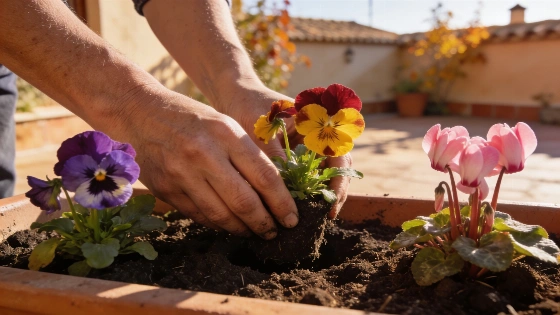
As summer fades, September offers the perfect conditions to plant flowers that withstand winter’s chill. Species like pansies, cyclamens, and primroses can root now and bloom when the cold arrives, bringing life to gardens and balconies through the darker months.
With the arrival of September, gardeners across Spain find a unique opportunity to refresh their outdoor spaces. As the soil retains warmth from summer and rainfall becomes more frequent, conditions are ideal for planting flowers that will not only survive but thrive through the winter. This window is especially valuable for those looking to maintain vibrant color in gardens, patios, and balconies during the colder months.
Among the most reliable choices are pansies, cyclamens, and primroses. These species are well-suited to rooting in early autumn, taking advantage of milder temperatures and moist soil to establish strong root systems before winter sets in. Their resilience to cold varies depending on local climate, variety, and the level of protection from frost, but with the right care, they can deliver continuous blooms even as temperatures drop.
Why September Matters
Planting in September reduces the stress that intense summer heat places on young plants. The soil remains warm enough to encourage root growth, while increased humidity supports healthy development. According to agricultural extension guides for Mediterranean climates, this period is optimal for introducing many cold-season flowers. However, gardeners should monitor plants for signs of water stress after the summer and adjust irrigation accordingly.
It’s important to note that timing may need to be adapted based on local conditions. In regions with mild winters, many of these flowers can remain outdoors throughout the season. In areas prone to frequent frosts, more sheltered spots or later planting may be necessary. The choice between seeds, young plants, or mature specimens also affects outcomes, so following nursery recommendations for each variety is advised.
Top Choices for Early Cold
Pansies are a classic option for adding color from late autumn onward. They tolerate low temperatures and come in a wide range of shades, from bright yellows and whites to deep violets. Pansies perform well in pots, window boxes, and borders, provided the soil drains well. A sunny location helps keep their blooms compact, and removing spent flowers encourages new buds throughout the season.
Cyclamens bring white, pink, red, or purple flowers to entrances, terraces, and protected patios. Primroses serve a similar role when other plants slow down, both preferring cool conditions but with slightly different needs: cyclamens dislike excess water, while primroses require consistent moisture without waterlogging. Adjusting care to the specific variety ensures the best results.
Other Hardy Winter Flowers
Bellis perennis, or winter daisy, produces small white, pink, or reddish blooms and tolerates moderate cold, making it suitable for low borders or small containers. Calendulas thrive in temperate zones, offering orange or yellow flowers that can attract beneficial insects, though their performance drops with heavy frost or persistently wet soil.
Wallflowers develop roots in autumn and can flower from late winter, their fragrant blooms making them a good choice for pathways or entrances. Snapdragons add height and early color, with many varieties handling light frost and rebounding as temperatures rise. Avoiding common care mistakes, such as overwatering or insufficient light, helps reduce plant losses.
Municipal planting campaigns in cities like Madrid often rely on these species—pansies, Bellis, calendulas, wallflowers, cyclamens, and primroses—valuing their resilience and ornamental appeal. However, the exact planting schedule may shift depending on local climate, confirming the need for flexibility.
Preparing for Planting
Before introducing new plants, it’s essential to clear away dry debris, faded blooms, and weeds. Loosening the top layer of soil without disturbing existing roots improves aeration. Adding a moderate amount of well-rotted compost enhances soil structure and nutrient retention. Good drainage is crucial, especially in pots and planters—ensure drainage holes are unobstructed and avoid letting containers sit in standing water.
After planting, settle the soil with gentle watering and adjust frequency based on actual temperatures, as September can still bring warm days. For detailed cultivation advice, gardeners can consult agricultural extension guides focused on cool-season flowers, which outline specific requirements for soil, temperature, and exposure.
By choosing the right species and preparing the soil carefully, it’s possible to enjoy a garden that remains lively and colorful even as winter approaches. For those new to cold-season planting, starting with a few hardy varieties can make a noticeable difference in the look and feel of outdoor spaces during the colder months.