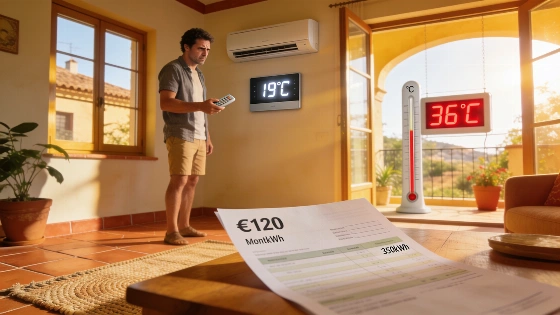
Many in Spain set air conditioning units to 19°C hoping for faster cooling. This practice strains equipment, increases energy bills, and rarely achieves the desired effect. Experts now urge a shift to safer, more efficient temperature settings.
Across Spain, the habit of lowering air conditioning units to 19°C or even 16°C after a hot day remains widespread. Yet, this approach does not cool homes faster and can lead to significant problems for both households and equipment. According to guidance from Endesa, setting the air conditioner to such low temperatures forces the compressor to operate continuously, especially during heatwaves. This not only drives up electricity consumption but also accelerates wear on the system, increasing the risk of breakdowns during peak summer months.
Unlike a car accelerator, air conditioning systems do not speed up cooling when set to lower temperatures. The device will emit air at a constant rate, regardless of the target temperature. When the thermostat is set far below the actual room temperature, the unit simply works harder for longer, often without ever reaching the desired level. This can result in higher energy bills and a shorter lifespan for the appliance, as critical components are pushed to their limits.
Specialists now recommend maintaining a stable indoor temperature between 24°C and 26°C for optimal efficiency and comfort. This range is considered sufficient to provide relief from the heat while avoiding unnecessary strain on the system. Another key recommendation is to keep the difference between indoor and outdoor temperatures within 12°C. Exceeding this gap not only increases energy use but may also have negative effects on health, particularly for vulnerable groups such as children and the elderly.
Proper maintenance is also essential for reliable operation. Endesa highlights the importance of regular filter cleaning, checking drainage and cooling systems, monitoring refrigerant gas levels, and keeping the exterior of the unit free from dust and debris. Neglecting these tasks can further reduce efficiency and increase the likelihood of malfunctions.
Spain’s reliance on air conditioning has grown steadily, especially in urban areas where summer temperatures frequently exceed 35°C. According to national statistics, energy consumption from cooling systems now represents a significant portion of household electricity use during the hottest months. The Spanish government has also introduced guidelines for public buildings and businesses, recommending similar temperature limits to promote energy savings and reduce environmental impact. As energy prices remain volatile, following these recommendations can help families manage costs and avoid unexpected repairs. The shift towards more moderate settings and regular maintenance is increasingly seen as a practical response to both economic and environmental pressures.