The sci-fi series Silo introduces a new timeline and deeper political intrigue. Rebecca Ferguson leads as Juliette, facing amnesia and hidden dangers. The show explores control, rebellion, and the cost of survival.
The third season of Silo has launched, bringing a significant shift in narrative and tone for the acclaimed science fiction series. The show, known for its stark depiction of life in a massive underground bunker after a global catastrophe, now introduces a parallel storyline set centuries earlier, adding urgency and complexity to its established world of control and secrecy.
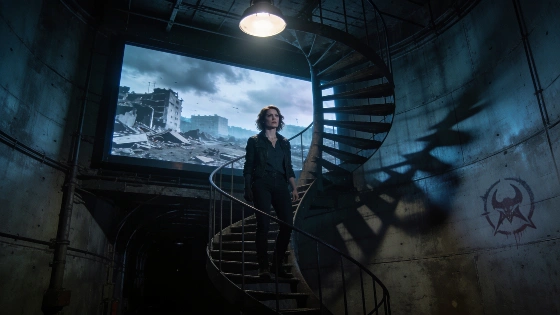
Rebecca Ferguson returns as Juliette, the engineer whose actions in previous seasons challenged the silo’s rigid hierarchy. This time, her character is forced to confront memory loss after surviving a near-fatal encounter with the authoritarian governor Bernard, played by Tim Robbins. The amnesia device, while familiar, serves as a backdrop for renewed tension as Juliette attempts to piece together critical events that could alter the fate of Silo 18.
The series continues to focus on the daily struggles of the silo’s ten thousand residents, who live under strict rules and constant surveillance. The upper levels maintain power through tradition and fear, while the lower classes, confined to the depths, repeatedly test the limits of rebellion. The show’s depiction of class division and the manipulation of history remains central, with new revelations about the existence of other silos and the possibility of orchestrated mass extermination if dissent grows too strong.
Season three’s most notable development is the introduction of a storyline set in the so-called Before Times, resembling the early 21st century. Here, a geopolitical crisis unfolds as Iran detonates a dirty bomb in the US, triggering a chain of events involving Congressman Daniel Keene and journalist Helen Drew. Their investigation hints at the origins of the silo system, offering viewers a rare glimpse of life outside the bunker—complete with cars, parks, and open offices. This narrative expansion provides a much-needed contrast to the claustrophobic atmosphere that has defined the series so far.
While Silo’s pacing remains deliberate and its visual palette unrelentingly grey-green, the show’s political themes have grown sharper. Questions about the legitimacy of authority, the erasure of collective memory, and the mechanisms of social control are explored with increasing depth. The presence of an AI oracle hidden in the original silo’s basement adds another layer of intrigue, suggesting that the true source of power may be even more elusive than previously thought.
For those interested in how science fiction blends with other genres, the approach taken by Silo echoes the genre-mixing seen in other productions. For example, a recent film combined western and sci-fi elements in New Mexico, as detailed in this report on Hollywood's genre experiments. Such crossovers highlight the flexibility of speculative storytelling in addressing contemporary anxieties.
As Silo continues to evolve, its relevance extends beyond entertainment. The series raises timely questions about the fragility of social order, the dangers of unchecked authority, and the consequences of forgetting history. In the context of ongoing global debates about surveillance, governance, and the rewriting of collective memory, Silo’s narrative choices resonate with current concerns. The show’s willingness to expand its universe and challenge its own conventions may help sustain interest as it moves forward, even as it maintains its signature somber tone and focus on the cost of survival in a closed society.