Sónar Festival’s new venue and organization have sparked confusion and debate. Attendees report a loss of the event’s unique atmosphere. Practical changes and a focus on music over experimentation mark this year’s edition.
The Sónar Festival in Barcelona has undergone significant changes this year, leading to confusion among attendees and raising questions about the event’s evolving identity. The shift to a new venue and a restructured layout have left many festivalgoers disoriented, with some even mistaking the event for other major festivals like Primavera Sound. The intensity of the concerts and the high volume levels have further blurred the lines, making it difficult for visitors to distinguish not only their location but, at times, even their sense of self.
One of the most noticeable changes is the move away from the festival’s traditional focus on experimentation and innovation. According to observations at the event, the new Sónar appears to prioritize music and entertainment over its previous reputation for cutting-edge artistic experiences. The festival’s visual identity has also shifted, with less emphasis on distinctive imagery and merchandising. Iconic elements, such as the creative installations and unique branding, have been replaced by simpler designs, including a subdued bumper car sculpture and more basic wristbands. The cashless payment system has been abandoned in favor of standard card transactions, and the overall sense of aesthetic exceptionality has diminished.
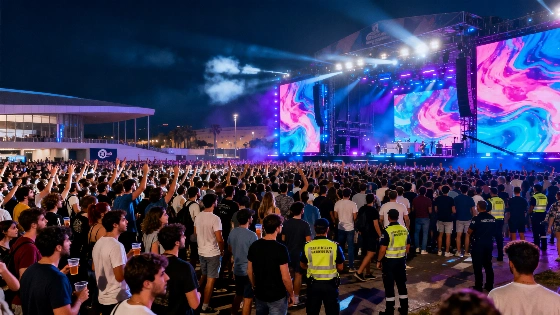
Security measures have also become more visible, with plainclothes police conducting searches and detentions in discreet areas of the venue. Meanwhile, the crowd itself reflects a wide range of styles and attitudes, from extravagant costumes to casual festival attire. Despite the diversity, there has been a notable absence of political symbols or protest banners, even as the festival’s ownership and management have faced scrutiny over their positions on cultural boycotts and international issues.
Longtime attendees have expressed nostalgia for the previous location at Montjuïc and the unique atmosphere it provided. The new distribution at Fira Gran Via has disrupted traditional meeting points and altered the festival’s social dynamics. However, standout performances, such as those by Charlotte de Witte, Nia Archives, and Daniel Avery, have managed to captivate audiences and temporarily dispel concerns about the changes. The SonarLab stage, with its striking skyline backdrop, remains a highlight, offering a setting that some believe could become iconic in its own right.
Despite the practical adjustments and the shift toward a more hedonistic model, Sónar continues to attract a diverse and enthusiastic crowd. The festival’s ability to deliver memorable musical experiences remains intact, even as debates about its direction and identity persist. For context, Sónar has been a major fixture in Barcelona’s cultural calendar since its founding in 1994, known for blending electronic music with digital art and innovation. The move to Fira Gran Via was intended to accommodate larger audiences and modernize the event, but reactions suggest that the transition has come at the cost of some of the festival’s original spirit.