South Korea’s Motor Vehicle Management Act bars arbitrary software changes that could affect a vehicle’s safe operation. On October 27, 2026, the Seoul Metropolitan Police Agency’s Traffic Crime Investigation Team booked 80 Tesla owners suspected of bypassing that rule to activate Tesla’s Full Self-Driving (FSD) driver-assistance feature. Police referred the cases to prosecutors for review.
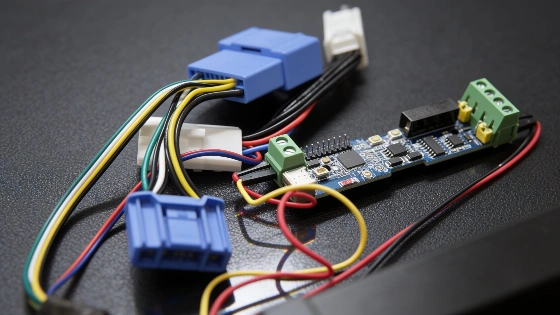
Some suspects allegedly used devices bought in Europe or China, with other locations also mentioned. Police said the owners had not followed Tesla’s official software updates or certification procedures. One person with IT industry experience is suspected of making a device using information found on GitHub. Police-linked reports also describe a suspect building equipment after studying information about Tesla’s electronic-control systems. Investigators seized 21 unauthorized activation devices. Suspects also shared advice in online communities, including ways to avoid leaving a record of activation in their cars.
The restriction affects China-built Tesla Model 3 and Model Y cars, which have not passed South Korean automotive safety standards. The eligible US-built range includes the Tesla Model S and Model X; the Cybertruck is also eligible. Exempt from the certification requirement under the Korea-US Free Trade Agreement, these vehicles make up about 20.7% of Teslas on South Korean roads. The alleged workarounds involved vehicles where FSD was not officially enabled and hardware or configuration changes, rather than Tesla’s standard over-the-air updates.
The investigation followed a request from South Korea’s Ministry of Land, Infrastructure and Transport, with cooperation from the Korea Transportation Safety Authority. Seoul police say modified software could fail to recognise driving conditions correctly or behave differently from the driver’s intentions. The issue differs from Spain’s debate over the V-16 emergency beacon, where reported objections have included political distrust and price complaints.
Those under investigation could face up to two years in prison or a fine of up to 20 million won under the vehicle management law. It prohibits arbitrary software alteration, including installation, and also bars additions or deletions that may affect a vehicle’s safe operation. The 80 cases have been referred for prosecutorial review; the allegations have not resulted in a final court determination.