In Barcelona, Ministers Discuss a Unified Education Strategy for Ibero-America. The 29th Ibero-American Conference of Education Ministers has started in Barcelona. The main topics are digital inequality, AI, and access to decent work. Authorities emphasize the need for joint solutions.
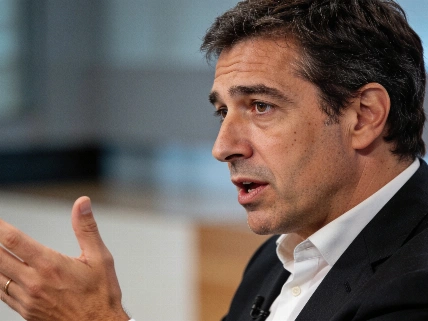
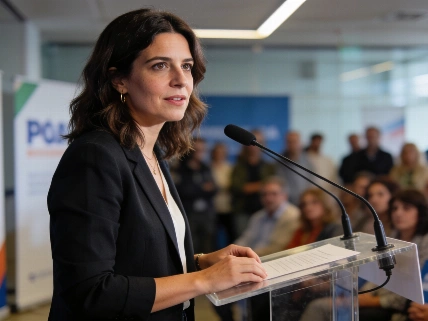
The XXIX Conference of Ibero-American Ministers of Education is taking place in Barcelona, where key challenges facing the region’s educational systems are being discussed. On the agenda is the need to develop a common strategy to prevent growing inequality and ensure access to modern knowledge and professions. Spain’s Minister of Education, Milagros Tolón, opened the forum by stressing that education must become a real tool for social mobility, not a factor reinforcing the gap between segments of society.
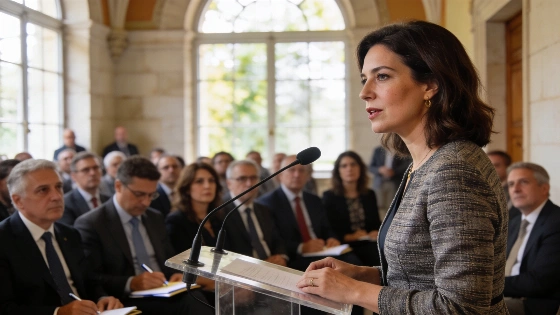
The conference is also attended by the head of the Catalan government, Salvador Illa. He emphasized that equal opportunity and inclusion in schools remain a priority for Catalonia, and noted that the forum should serve as a starting point for creating a fairer educational environment in Ibero-America. According to him, investment in education is the best path to quality and social justice, despite ongoing conflicts between teachers and authorities in the region.
The main topics of the meeting are the impact of artificial intelligence on schools, the development of vocational education to increase employment, the resilience of democratic institutions, as well as threats associated with climate disasters and cyberattacks. Tolon specifically highlighted the issue of digital inequality: despite 80% of countries in the region already implementing digital education strategies, about 30% of students from vulnerable areas still have limited or poor-quality access to the internet.
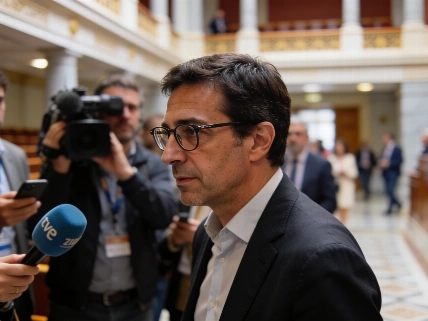
The Secretary-General of the Ibero-American States Organization, Mariano Jabonero, noted the decline in international cooperation: in recent years, the volume of joint educational programs has decreased by 21%, and the share of investments in education within global GDP has fallen from 5% to 3%. In his view, this indicates that cooperation between countries is ceasing to be a priority, giving way to competition.
The forum in Barcelona covers the interests of 150 million students and up to 15 million educators across the region. As organizers note, the purpose of the meeting is not only to exchange experience, but also to develop concrete solutions that will form the basis of a joint educational agenda for the coming years. In November, an Ibero-American summit will take place in Madrid, where it is planned to consolidate the agreements reached.
Issues of digitalization and cybersecurity are becoming increasingly relevant for Spain and Catalonia. Recently, a new i2CAT center was opened in Barcelona, which, as noted in article on the launch of the 6G and cybersecurity laboratory, is strengthening regional projects in AI and digital communications. This highlights that the issues raised at the conference are of both international and local importance for Spain.
For reference: The Ibero-American Conference on Education has been held since 1991 and has become one of the largest platforms for discussing educational reforms in Spanish-speaking countries. Amid increasing digitalization and new threats to schools and universities, such meetings are especially important for developing coordinated solutions and sharing best practices.