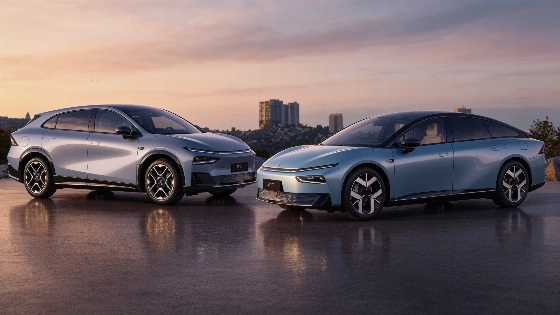
Chinese carmakers are no longer just exporting to Spain—they’re building factories there. With Chery, SAIC, and Stellantis investing heavily, Spain is quickly turning into the EU’s new automotive center, challenging Germany and France.
Chery, SAIC, and Leapmotor have moved beyond shipping cars to Spain—they’re now building them locally. These Chinese manufacturers are investing hundreds of millions of euros in Spanish factories, turning the country from a car importer into a key production site for electric vehicles in Europe. Recent industry reports show that Spain is now one of the main destinations for Chinese automotive projects in the EU, with Chinese groups involved in six major Spanish automotive plants.
Consultant Tu Le puts it plainly: “España se está convirtiendo en el nuevo Detroit de la UE.” The numbers back him up. Chinese car exports reached 5.1 million in the first half of 2026, up 65.3% from the previous year, with 2.3 million of those being new energy vehicles. But the bigger shift is production moving inside Europe, and Spain is leading that trend.
Chery and EV Motors relaunched the former Nissan plant in Barcelona under the Ebro brand in 2024, creating around 1,000 new jobs.
Industry sources
Why Spain? The country offers a strong industrial base, competitive costs, and a government open to foreign investment. Chery’s joint venture with EBRO in Barcelona is set to produce up to 130,000 vehicles a year, with the first Chery models expected by late 2026 or early 2027. Leapmotor, working with Stellantis, plans to assemble the B10 in Zaragoza, and is considering an electric Opel SUV and further expansion in Madrid. SAIC is preparing a €200 million industrial complex in Galicia, aiming for 120,000 vehicles per year once its second phase is finished. According to several sources, the Leapmotor project in Zaragoza will use CKD (completely knocked down) assembly, not full manufacturing, which affects how much of the process is localized.
BYD, another major Chinese carmaker, chose Hungary over Spain for its €4 billion plant, partly to avoid EU tariffs on imported Chinese EVs. While some reports mention a 27% tariff, there is no single rate; the move reflects the wider impact of tariff pressure and the push to localize supply chains in the EU. Still, Spain’s three confirmed projects put it at the center of Europe’s new automotive map. Gasgoo reports that Chinese groups Geely, SAIC, BYD, Chery, and Leapmotor registered nearly 792,000 vehicles in Europe in the first half of 2026—almost 11% of the market. BYD led with 174,100 registrations, followed by Chery and Leapmotor. However, not all industry sources have independently verified these figures, so they should be treated with caution.
For European automakers, the warning signs are clear. Tu Le points to the speed, digital know-how, and battery technology of Chinese firms as key advantages. “No conozco a ningún fabricante de automóviles tradicional de la Unión Europea que sea experto en ninguno de esos factores clave,” he says. Europe doesn’t have its own Tesla, Rivian, or Lucid, and it lags behind companies like Waymo or Pony.AI in autonomous driving. If established European brands don’t adapt, Tu Le warns, they risk losing ground as American tech companies and Chinese manufacturers divide up the global market.
Around Zaragoza, a full industrial cluster is forming: in addition to Leapmotor assembly, there are battery facilities, chassis suppliers, and preparations for new Opel models on the same site. Stellantis and CATL have announced joint investments of approximately €4.1 billion in an LFP gigafactory with a target capacity of up to 50 GWh, aiming for launch by the end of 2026.
Industry reports
The impact for Spanish and Latin American startups is immediate. New factories mean new demand for B2B SaaS, supply chain solutions, and energy services tailored to the auto sector. The chance to become a supplier is open now, before procurement teams finalize their partners. For those working on batteries, components, or remote software updates, Spain’s move from importer to producer is a rare opportunity to get in early—one that may not come again soon.
As the industry changes, regulatory and market barriers are being tested. Some parking operators have started restricting electric vehicles, even though there’s no legal ban and EVs have a lower fire risk than petrol or diesel cars, as reported earlier. The pace of change is forcing both industry and regulators to rethink old assumptions.
For the first time, three Chinese brands—BYD, Geely, and Chery—have entered the global top 10 for sales, with Toyota still leading but the gap closing. Spain is no longer just a destination for Chinese cars. It’s becoming the launchpad for their European ambitions. Those who move quickly to supply, innovate, or partner with these new factories will help shape the next phase of Europe’s auto industry. The rest may find themselves left behind as the center of gravity shifts south.