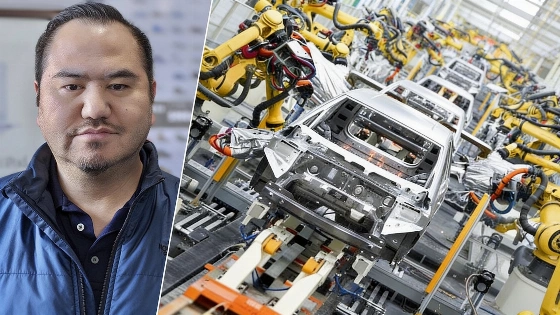
Chinese carmakers are turning their focus to Spain. With big investments in factories and battery plants, Spain is quickly becoming a key player in Europe’s auto industry.
Chery and Ebro are putting more than 150 million euros into revamping the old Nissan plant in Barcelona. They plan to start building up to 50,000 vehicles a year by the end of 2026. Industry reports say this project could bring about 1,000 direct jobs and another 3,000 indirect ones. Chery has also set up its European headquarters and R&D center in Barcelona. The company is making it clear it wants to build and innovate inside the EU for the long haul, as several top auto publications have reported.
Spain’s rise as a magnet for Chinese carmakers isn’t happening by chance. Tu Le, founder of Sino Auto Insights and a well-known China auto analyst, calls Spain “the new Detroit of the EU.” The numbers back him up. In the first half of 2026, China was the second-biggest exporter of cars to Spain, just behind Germany.
In the long term, the EBRO/Chery project in Barcelona could reach a potential capacity of up to 130,000 vehicles per year, far exceeding initial targets.
The scale of Chinese investment is hard to miss. CATL and Stellantis have announced plans to spend up to 4.1 billion euros on a huge LFP battery plant in Zaragoza. They are aiming for a capacity of 50 GWh. Several independent sources say this will make Spain a major player in Europe’s battery industry. At the same time, BYD is looking for sites in Spain for its next European plant. The company says it will need three assembly plants and a battery factory across Europe.
Tu Le says the strategy has changed. Chinese carmakers are no longer just shipping cars from China. Now they want to build cars in Europe, adjust them for local tastes and rules, and avoid tariffs and shipping problems. This is already happening in Spain. The country’s strong industrial base and skilled workers make it a real alternative to the old auto centers.
But there are hurdles. Since October 2024, the EU has put extra duties on some Chinese-made electric cars, ranging from 7.8% to 35.3%. Recent policy briefs say Brussels is also looking at new rules, like minimum prices and local investment requirements, to shape how Chinese exporters act. Tu Le says European carmakers can’t just count on trade barriers. They have to compete on price, technology, quality, and reliability if they want to keep up.
Spain is not only attracting Chinese carmakers to Barcelona and Zaragoza, but also to other industrial centers like Almussafes and Ferrol, indicating a broader shift in the country’s automotive landscape.
Spain’s own car industry is changing fast. Factories built 2.27 million vehicles in 2025. But in the first half of 2026, output dropped by 1.7%. The main reasons are the move to electric models and weaker demand in Europe. The arrival of Asian investment could help keep Spain’s factories running as the industry shifts to new tech and a different map.
Rules are changing too. As reported earlier, Spain is making it easier to get licenses for automatic cars. This could speed up the switch to electric and hybrid vehicles—many of them made by Chinese brands.
Spain’s draw for Chinese auto giants isn’t luck. The country has strong manufacturing, easy access to the EU market, and a government that wants foreign investment. As Chinese companies expand in Europe, Spain stands to gain jobs, money, and a bigger role in the continent’s car industry. The signs point to a new industrial era with Spain at the center—if it can handle the challenges of new technology and global competition.