Spain is on track for stronger growth in 2026, with the OECD raising its forecast. But inflation is still running high, putting pressure on Spanish families’ wallets.
The OECD now expects Spain’s economy to grow by 2.6% in 2026. That’s four tenths higher than its last forecast. This puts Spain ahead of most other European countries. But global uncertainty and shaky energy markets are still a problem.
The upbeat numbers come with a warning. The OECD says inflation is still Spain’s biggest headache. Prices are not slowing down. In fact, they’re rising faster than in most of Europe. The consumer price index hit 4.3% in August, the highest since 2023. Fuel costs are the main culprit. As fuel gets more expensive, so do everyday goods and services. This is making it harder for families to keep up, even as the economy grows.
According to Funcas, Spain’s overall inflation likely peaked in August and could end the year around 3.5%.
Spain’s GDP finished 2025 with a 2.8% gain, according to the OECD. But Spain’s own statistics agency, INE, has already lowered that to 2.6%. Looking ahead, the OECD expects Spain to keep its lead over Germany, France, and Italy. Germany is forecast to grow by 1.1% in 2027, France by 0.7%, and Italy by 0.6%. The eurozone as a whole is expected to grow by about 1%. G-20 economies are set to grow just over 3%.
Spain’s strength comes from people spending and businesses investing at home. This has kept the economy moving, even as global trade and manufacturing slow down. But high prices are putting that strength to the test. The OECD now sees Spanish inflation averaging 3.7% this year, up four tenths from its June forecast. It expects inflation to stay high at 3.4% in 2027. These numbers are above the eurozone average, where inflation is expected to be 3% this year and 2.9% next year.
It’s not just energy costs causing trouble. Core inflation, which leaves out the most volatile prices, is also stubborn. The OECD thinks it will hit 3.4% in 2026, half a point higher than before. It may ease to 2.9% in 2027. But this steady inflation is still eating away at what families can buy, even if the economy looks strong on paper.
Analysts from CaixaBank Research and BNP Paribas highlight that the main driver behind Spain’s recent price increases has been the surge in energy and fuel costs, which has had a significant impact on the overall consumer price index.
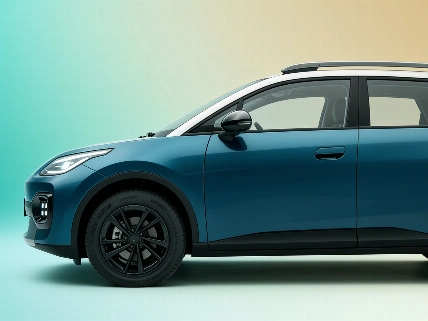
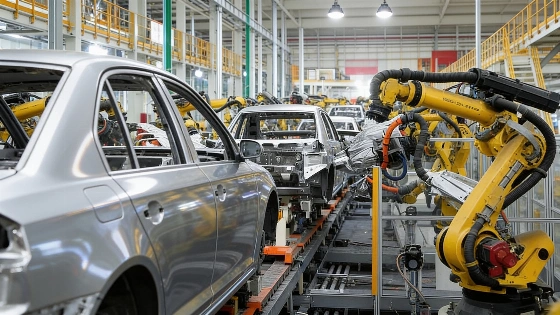
Spain’s factories and exporters have had their own struggles. For example, recent changes in the car industry show how global demand and new technology are forcing companies to adapt.
El Periódico points out that Spain really is growing faster than its neighbors. But inflation could wipe out those gains for many families. Whether Spain can keep up the pace depends on how well people can handle rising costs. The OECD’s numbers show Spain is still a bright spot in Europe. But with prices staying high, a lot of families may not feel the benefits of growth any time soon.