The mandatory deposit for bottles and cans in Spain remains on hold. No official start date has been set, and supermarkets like Mercadona are waiting for clear instructions. The change will impact prices and returns nationwide.
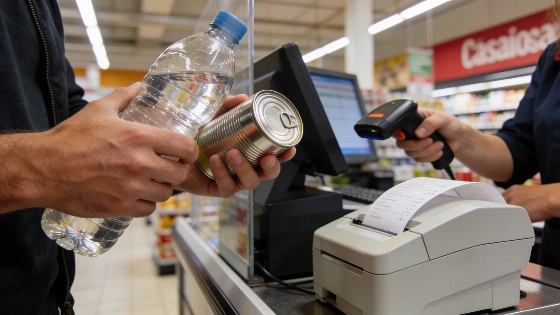
Spain’s plan to introduce a deposit system for beverage bottles and cans remains in limbo, with no official launch date confirmed. Despite legal requirements already in place, supermarkets such as Mercadona have clarified that the scheme is not yet operational and that customers will not see the deposit charge on receipts until further notice. The measure, which will eventually require shoppers to pay a refundable deposit on each eligible container, is designed to boost recycling rates and reduce single-use plastic waste.
Under the current legislation, the deposit will apply to plastic bottles up to three liters, as well as cans and certain cartons. The minimum amount is set at ten cents per unit, but the final figure could be higher depending on the system operators. The deposit is not a permanent price increase; it will be refunded when the empty container is returned to an approved collection point. However, the infrastructure for returns, including machines and designated locations, is still under discussion, and no supermarket chain has announced a rollout date.
Mercadona, responding to customer queries on social media, pointed to the Real Decreto 1055/2022 and the European Packaging Regulation 2025/40 as the legal basis for the new system. The company emphasized that the affected sectors are still analyzing how to implement the changes and that no official start date has been communicated. Until the system is activated, online purchases will also remain unaffected by the deposit requirement.
The delay is partly due to Spain’s struggle to meet EU recycling targets. In 2023, the country achieved a 42.3% separate collection rate for single-use plastic bottles, well below the 70% target. The law gives producers two years from notification to set up the system, but coordination between retailers, producers, and authorities is proving complex. The Official State Gazette specifies that producers will cover the initial deposit, which will then be passed down the supply chain to consumers. The system will also define where returns can be made—whether in stores, at special centers, or via return machines. Notably, the law does not require all returns to be processed through machines, allowing for flexibility in how containers are collected.
Once operational, the deposit will be clearly listed on receipts and containers will need special identification to prevent fraud. Consumers will be able to reclaim the deposit without needing to make a new purchase. The law also allows for specific rules for small shops under 120 square meters, but many practical details—such as labeling, operator responsibilities, and compensation for retailers—are still pending. This uncertainty explains why major chains have not yet installed return equipment or set their own timelines.
For now, Spanish shoppers do not need to save their bottles and cans for deposit refunds, as the system is not yet in force. The official start date will be announced by the authorities and the organizations responsible for managing the returns. The situation is reminiscent of other regulatory changes in Spain that have required significant coordination, such as the recent crackdown on counterfeit goods in Barcelona, where police dismantled a large-scale fake firearms operation after months of preparation and legal groundwork.
Spain’s deposit system is part of a broader European push to reduce packaging waste and improve recycling rates. Similar schemes are already in place in several EU countries, where they have led to higher return rates and cleaner public spaces. The Spanish model aims to balance environmental goals with practical considerations for retailers and consumers. As the country works to finalize the details, the focus remains on ensuring a smooth transition that meets both legal obligations and public expectations.