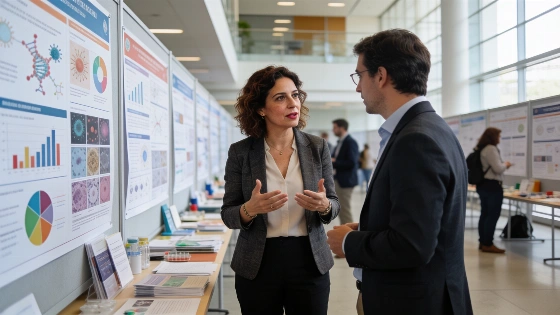
Spain’s leading immunologists are tackling emerging pathogens and vaccine innovation. The latest congress saw a record 284 scientific submissions. Experts warn that ongoing research and public trust remain critical for future protection.
Spain’s scientific community is facing a wave of new vaccine challenges. At the XIII Congreso de la Asociación Española de Vacunología, hundreds of professionals gathered to discuss the future of immunization. This year, 284 scientific communications were submitted—more than ever before—showing a surge in research activity. The congress focused on unifying international vaccination criteria and strengthening Spain’s immunization network, a response to the growing need for coordinated action against global health threats.
África González Fernández, professor of Immunology at CINBIO, University of Vigo, and president of the congress’s scientific committee, described this period as both demanding and rewarding. She emphasized the dedication of her colleagues. The agenda covered a wide range of topics, from artificial intelligence in vaccine development to strategies for immunizing immunocompromised patients.
In Andalusia, authorities have launched a campaign to vaccinate approximately 55,000 infants against RSV, allocating a budget of 15.2 million euros for the effort.
One of the main concerns is the rise of new and returning pathogens, some of which mutate quickly and force scientists to adapt vaccines rapidly. The ongoing effort to develop effective vaccines for diseases like HIV and tuberculosis highlights the complexity of the field. A vaccine designed by Professor Carlos Martín in Zaragoza, in collaboration with Zendal, has just completed immunization trials in African children. The next step is to see if it offers better protection than the established BCG vaccine.
González Fernández stressed the need to anticipate pathogen mutations and dominant serotypes before outbreaks happen. She also pointed out that understanding cellular immune responses is crucial, but often overlooked compared to antibody research. The COVID-19 pandemic showed how important T cells are, but this lesson has not yet been fully absorbed into broader vaccine research.
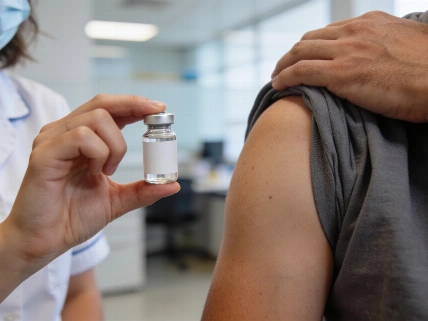
Spain’s role in vaccinology is not just theoretical. The country leads in several areas, including the only tuberculosis vaccine currently in phase III clinical trials and advances in passive immunization using monoclonal antibodies against respiratory syncytial virus. The congress submissions reflect this range, with influenza vaccines as a major focus, along with studies on improving vaccine adherence and protocols for immunosuppressed patients. According to Democrata, Madrid’s regional authorities have announced a new autumn vaccination campaign that includes updated COVID-19 doses and, for the first time, pneumococcal vaccination for the elderly, aiming to reduce hospitalizations and deaths.
Recent data presented at the ERS 2026 congress in Barcelona show that RSV vaccines demonstrated 100% effectiveness in a Danish cohort of COPD patients, and a significant reduction in severe outcomes was observed in the second season of follow-up.
Despite these advances, González Fernández cautions against complacency. She notes that vaccine success often goes unnoticed because prevention is invisible. Maintaining public trust and clear communication is essential, especially as global travel and shifting animal habitats increase the risk of zoonotic diseases. Lifelong immunization and ongoing research are more important than ever.
Artificial intelligence is also starting to shape the field. As reported earlier, Spain is positioning itself as a leader in AI-driven health innovation, and this is now influencing vaccine research and development.
The record number of scientific communications at this year’s congress shows the strength of Spain’s research environment. Professionals from nursing, preventive medicine, pediatrics, immunology, family medicine, and infectious diseases are all involved, reflecting a multidisciplinary approach. The focus on both innovation and practical strategies—such as improving vaccine uptake—shows that Spanish vaccinology is advancing in the lab and addressing real-world needs.
As the congress continues, the message from its scientific leadership is clear: Spain’s progress in vaccinology depends on ongoing research, transparent communication, and sustained public confidence. The country’s achievements in vaccine science are significant, but the changing landscape of infectious diseases means that vigilance and adaptability are essential. The Spanish experience highlights that the real threat is not the vaccine, but the lack of it—a fact that continues to shape public health priorities.