Spain's Congress has rejected two emergency housing decrees. The vote exposed the government's fragile majority and left renters facing fresh uncertainty as parties demand a different plan.
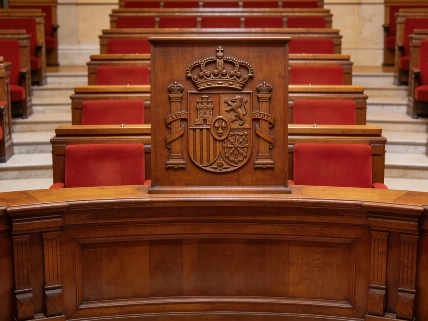
Spain's Congress rejected both emergency housing decrees on 2 October 2026. The first failed by 172 votes to 178, and the second by 166 to 184.
PSOE and Sumar backed the texts. Partido Popular and Vox opposed them. Junts per Catalunya also voted against the decrees after demanding a new proposal based on its own parliamentary initiative.
Reuters and other news agencies reported the same results: the first measure lost 178 to 172, and the second lost 184 to 166. The votes blocked plans to limit rent increases and extend tenant protections. They also put new pressure on Pedro Sánchez over the strength of his parliamentary support and the possibility of early general elections.
Junts announced its position on Thursday night, before the vote. Its spokesperson Miriam Nogueras said the government had subjected the party to ideological pressure from both extremes. She argued that the decrees would not solve the housing crisis.
Junts said speculative investors would remain active and evictions would continue. Reuters reported that the party also warned the measures could reduce the supply of rental homes. It said that would push prices higher and make access to housing harder. Junts demanded a revised text before it would offer support.
Outside Congress, thousands of demonstrators gathered at the request of the Sindicato de Inquilinas. People in the public gallery protested after the vote. They accused so-called vulture funds of controlling Parliament.
The Associated Press reported that tenant marches were taking place around the Madrid parliament as lawmakers voted. The housing crisis has moved beyond campaign debate and is now driving street protests.
The government drafted the decrees during a week of demonstrations after the eviction of Maricarmen Abascal, an 87-year-old tenant who had lived in the same rented home for seven decades. Police took her to hospital after removing her from the property, although she was later allowed to return.
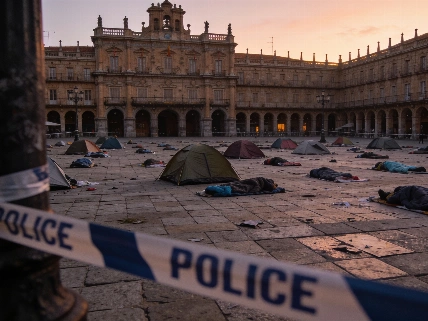
On 26 September, protesters set up a camp in Madrid's Puerta del Sol. The case became a visible sign of pressure on Spain's housing market. Reuters linked the eviction to renewed street mobilisation around housing affordability.
The larger decree would have limited rent increases and extended some rental contracts. It would also have regulated seasonal leases and banned evictions until 2030. The measure would have restricted speculative purchases by vulture funds, while offering incentives to landlords who cut rents.
The second text contained one measure: automatic renewal of rental contracts. Together, the two decrees went beyond a simple rent cap. They sought to protect vulnerable tenants and regulate short-term or seasonal arrangements. They also aimed to curb purchases by investment funds.
Pedro Sánchez unexpectedly addressed Congress during the final stage of the debate. He urged lawmakers to think about ordinary residents rather than party talking points.
Sánchez acknowledged that the decrees would not solve the housing crisis, but said they could reduce its effects. He did not mention early elections if the measures failed.
The opposition attacked the substance of the decrees and the approval process. PP representative Juan Bravo said the government was trying to repair in days what it had damaged over eight years. He said the central problem was insufficient construction.
Vox warned that the measures would further reduce the supply of homes. No agreement had been reached.
The Sindicato de Inquilinas called the package a minimum step against high rents and property speculation. The group said Parliament was defending property owners' interests above tenants' lives.
The Association of Rental Housing Owners, known as Asval, took the opposite view. It argued that the decrees threatened legal certainty and property rights. The group also said they threatened business freedom and the ban on retroactive restrictions of rights.
José Luis Escrivá, governor of the Banco de España, also warned that the government's housing measures could have negative effects on an already strained market. Spain is estimated to lack around 750,000 homes. Public housing accounts for only 2% of the housing stock, compared with a 7% European average.
Many empty homes are outside the urban centres where demand is highest, especially Madrid and Barcelona. That leaves the shortage concentrated in the places where housing costs face the most pressure.
Construction faces several limits: major cities have little available land. Material costs have risen, while the sector also lacks workers.
The Instituto Nacional de Estadística reported that house prices rose by more than 12% year on year in the second quarter of 2026. Rents increased by 4.2% over the same period.
The numbers explain why the package mattered to tenants. They also show why emergency decrees could not settle a problem rooted in supply constraints and prices, alongside weak public housing.
The vote defeated two texts and exposed the gap between immediate tenant protections and the longer construction effort Spain needs. Sánchez's government failed to secure a majority, leaving the unresolved housing bill with a political cost.
Reuters and the Associated Press said the defeat had intensified doubts about the durability of Sánchez's parliamentary majority. Discussion of a possible snap election has returned.