Spain's inflation reached 4.9% in September. Fuel costs and package holidays drove the sharpest monthly rise since February 2023.
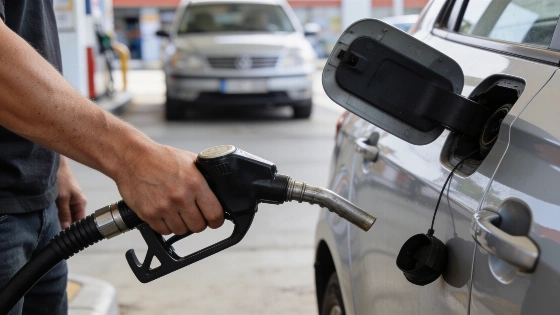
Energy products rose 21.6% in the preliminary September data. Fuel and lubricant prices for personal vehicles were among the main reasons Spain's inflation climbed to 4.9%, its highest level since February 2023.
Package holidays added to the pressure. The two areas hit travel and transport spending directly.
The annual rate rose six tenths from August. Spain's National Statistics Institute, known as INE, released the advance consumer price index on Tuesday, September 29. Consumer prices also rose 0.3% from August.
Preliminary core inflation rose to 3.1%, its highest level in roughly two and a half years, indicating that September’s price pressure was not limited to volatile energy categories.
Core inflation rose to 3.1%. That is its highest level in roughly two and a half years. The figure shows that September's price pressure was not limited to volatile energy categories.
Energy products posted the sharpest increase among the special groups tracked in the preliminary data. Their prices rose 21.6% during an energy shock.
That is a sharp move.
Fuel and lubricant costs affect private vehicle use directly. They also raise the cost of everyday journeys. INE does not separate the contribution of each fuel type, but it lists vehicle fuels and lubricants as one of the main causes of the acceleration.
Unprocessed food prices rose 5.8%. Services became 3.9% more expensive. The figures show that September's price pressure spread across goods and services instead of staying within one narrow category.
Spain’s harmonised inflation rate reached 5.0%, up from 4.6% in August, while the harmonised index rose 0.6% month on month. The final September release is scheduled for October 14, so the preliminary figures may still undergo limited revisions.
Package holidays gave the monthly figure another push. Travel costs joined fuel at the centre of the September increase. Together, they tied the rise to transport and tourism spending.
The 4.9% rate is the highest in the available series since February 2023. Inflation reached 6% that month. September has returned to a level not seen for more than two years, although it remains below that earlier peak.
EFE and Euronews reported the same comparison independently.
Households and drivers will feel the change most clearly through fuel-linked spending. Energy products rose 21.6%, while package holidays also became more expensive. Food and services added further pressure.
The harmonised rate reached 5.0%, up from 4.6% in August. That measure matters for euro-area monetary policy. Spain's faster inflation may support a more cautious approach to easing.
These figures are still preliminary. INE is due to publish the final September release on October 14, and the structure of the index may see limited revisions.