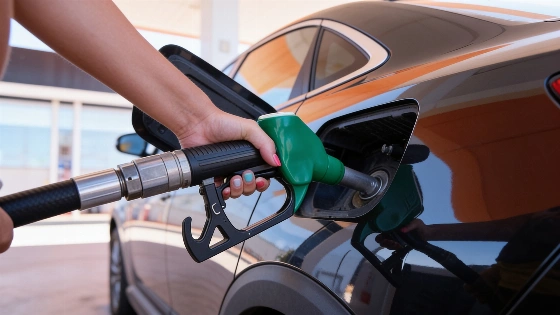
For the first time, Spain has fewer petrol stations than before, with 195 closures recorded in the first half of 2026. The CNMC is now asking the public whether more stations are needed as new rules and market changes reshape the sector.
For the first time, Spain has fewer petrol stations than it did a year ago. By the end of June 2026, the official count had dropped by 195 outlets, reversing a long trend of steady growth. The Comisión Nacional de los Mercados y la Competencia (CNMC) is now asking the public whether the country needs more fuel stations, launching an online consultation to gather opinions from drivers and businesses.
This drop is the result of tighter regulations and a changing market. The CNMC’s latest census, updated under Real Decreto-ley 7/2026, lists 12,562 active stations as of June 30. That’s still a large network, but it marks a clear shift after years of expansion—Spain’s network grew by more than a quarter between 2011 and 2025. According to data from EFE and Infobae, this is the first time the CNMC has recorded a decline since it began tracking the numbers.
The CNMC's registry update not only reflects closures but also the removal of stations that were listed but not actually operating, following stricter verification rules in 2026.
Several things have contributed to the decline. Fewer new stations are opening—just 91 in the first half of 2026, compared to 95 in the previous six months and 99 in early 2024. More importantly, the CNMC’s stricter registry update, required by the new law, has removed stations that were still on the books but no longer operating. The new rules require stations to report prices weekly and threaten penalties for those who don’t comply, making it harder for inactive outlets to go unnoticed. Democrata reports that this registry clean-up is a direct result of tougher data checks introduced after Real Decreto-ley 7/2026.
Independent operators have been hit hardest. Their share of the network fell by 147 outlets, now making up 43.82% of all stations. Major brands have mostly held steady. Only Moeve-Ballenoil and Galp expanded, with Ballenoil adding 30 new sites and Galp one. The rest of the sector either stayed the same or shrank, showing that compliance and scale are now key to survival. According to sector media and 20minutos, independents have lost ground while large brands have kept their positions.
This shake-up comes as Spain’s energy and transport sectors face new pressures. The government wants more transparency and up-to-date data, now required by the registry, to give both officials and consumers a clearer view of fuel supply and prices. But it’s not clear if the current network meets drivers’ needs everywhere, or if some areas could end up underserved. The CNMC’s public consultation is meant to answer that, inviting feedback on whether more stations are needed or if the current number is enough.
Following the Real Decreto-ley 7/2026, the CNMC was granted expanded powers to monitor fuel prices and margins, as well as to detect anomalies and reporting violations. The Ministry for Ecological Transition has emphasized that non-compliance with data disclosure requirements may be considered a serious offense.
Europa Press
These changes echo wider challenges in Spain’s shift to new forms of mobility. As reported earlier, the move toward electric vehicles has already exposed gaps in infrastructure, with some regions struggling to keep up. The drop in petrol stations may be a sign of similar pressures for traditional fuel networks, where new rules and market realities are forcing a rethink.
Spain’s decision to tighten oversight and update its fuel station records is a correction after years of unchecked growth and outdated listings. With only a few brands expanding and independents retreating, the sector is consolidating around those best able to meet new compliance demands. Whether this results in a more efficient network or leaves some areas short of service will depend on the outcome of the CNMC’s consultation and future government policy. For now, the era of automatic expansion is over. Every station now has to prove its place on the map.