Spanish Beaches Ranked the Best in the World. All eyes are on Spain and its beaches, which have once again topped the global rankings. A record number of Blue Flags and unexpected moments during the ceremony have sparked discussion.
This year, Spain once again found itself at the center of the society pages—not because of high-profile romances or scandals, but thanks to a spectacular triumph on the world stage. 794 'Blue Flags'—that's the number of prestigious awards the country collected in 2026, and it's not just a figure, but a reason for discussion, pride, and new headline stories. This result is the best in the entire history of the initiative, which began back in 1987, instantly turning Spain's beaches into objects of admiration and envy.
A beachside record
The main intrigue this year centered on which region topped the ranking. As noted by the Asociación de Educación Ambiental y del Consumidor (Adeac), 677 beaches in the country received the coveted flag this year—35 more than the previous year. But the real standout was Comunidad Valenciana: 151 of the region's beaches were honored with the award, not only retaining its lead but also sparking discussion among beach lovers and industry experts. Next were Andalucía with 143 flags, Galicia with 118, and Cataluña with 101. Other regions also drew attention: Canarias with 52, Baleares and Región de Murcia each with 33, Asturias with 16, Cantabria with 11, Extremadura with 8.
Details under discussion
But it's not just the numbers that have sparked discussion. This year, Spain received another 111 Blue Flags for ports—9 more than last season—and 6 for tourist vessels. Catalonia has unexpectedly taken the lead in the number of awarded ports (24), while Andalucía and Comunidad Valenciana are keeping pace, adding new details to the overall picture. Attention was also drawn to those beaches and ports that have held their status since the program's inception: only seven beaches and two ports, all on Spanish soil. Among them are Alcalá de Xivert (El Carregador), Alicante (Sant Joan), Calpe (La Fossa), Cullera (Sant Antoni), El Campello (Carrer la Mar), Gandía (Nord), Oleiros (Bastiagueiro), Club Náutico de Altea, and Real Club Náutico Calpe. This stability became a separate topic of conversation among professionals and fans of seaside resorts.
Public gestures and comments
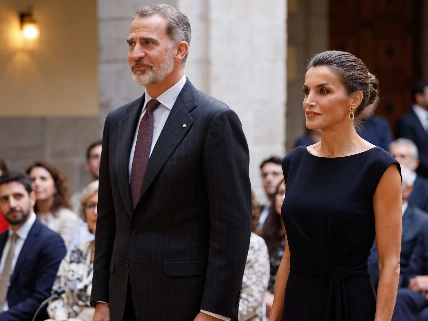
The ceremony marking the 40th anniversary of the program did not pass without bold statements. The president of Adeac, José Palacios Aguilar, was openly emotional, emphasizing that such impressive results are the outcome of joint efforts by municipalities, regional and national bodies, businesses, universities, and tourists themselves. His remark that "education is the foundation of the future" quickly made headlines in the media. Meanwhile, tourism secretary Rosario Sánchez reminded everyone that even before sustainability and ecology became buzzwords, it was Adeac that set the tone for caring for nature. Her comment that the objectives of the program align perfectly with the España Turismo 2030 strategy sparked further discussion among experts and the public.
Context and figures
This year, out of 713 beaches that applied, 677 received the 'Blue Flag'—95% of all applicants, reflecting a high level of preparation and ambition. In total, according to Adeac, 15% of all the world's beaches with this status are located in Spain. The distribution among ports proved equally interesting: after Catalonia (24), come Andalucía (22), Comunidad Valenciana (20), the Balearic Islands (14), Galicia (11), the Canary Islands (10), Región de Murcia (8), and Asturias and Badajoz with one each. This breakdown has only fueled interest in the topic and sparked new discussions both professionally and socially.