Which Cities Have the Strictest Noise Regulations in Residential Buildings. Spanish municipalities have increased monitoring of noise from household appliances during the summer season. Nighttime noise violations can cost residents thousands of euros, especially in major cities. It's important to know local regulations to avoid an unpleasant fine.
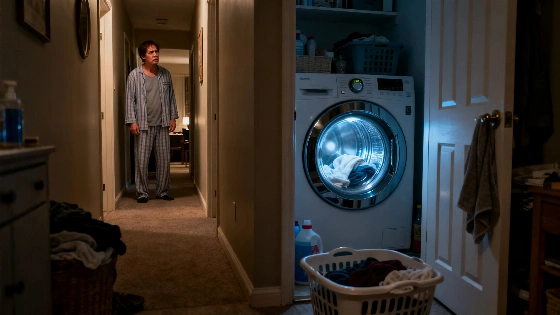
The common habit of running the washing machine late at night can have serious financial consequences for residents of Spain. In recent years, municipalities have tightened noise control in residential buildings, especially in summer when open windows make household sounds more noticeable to neighbors.
Most Spanish cities have clear noise level restrictions: during the day, up to 35 decibels are allowed in apartments, and at night—no more than 25–30. For comparison, a standard washing machine produces 45–50 decibels while washing and up to 70 during the spin cycle. Violating these limits, especially at night, can lead to complaints and fines.
When noise becomes a problem
Municipal regulations vary, but almost everywhere the nighttime period begins at 22:00–23:00 and lasts until 7:00–8:00. During this time, any loud household activities are considered a disturbance. In Madrid, a night noise violation can result in a fine from €90 to €1,500, with amounts increasing for repeat offenses. In Barcelona, penalties are even stricter: for loud laundry or other noisy activities from 21:00 to 8:00, fines can exceed €3,000. In Valencia and Bilbao, the minimum fine is €600, while in Seville, nighttime restrictions start at 23:00.
How neighbors should act
Before contacting the municipality, the law recommends trying to resolve the issue within the homeowners' community. The Horizontal Property Law allows you to initiate a meeting and agree on reasonable hours for using noisy appliances. If an agreement cannot be reached, a complaint can be filed with the police or city administration. To issue a fine, the noise level must be officially recorded—this is usually done by the police using special equipment.
Why the problem gets worse in summer
Summer months traditionally bring more noise complaints: people open their windows more often, stay at home longer, and household sounds become more noticeable. Many try to save on electricity by running washing machines at night when rates are lower. However, saving money can backfire if neighbors complain about constant nighttime noise.
What you need to know
Before running your washing machine or other noisy appliance at night, you should check the local regulations. Different cities in Spain have their own rules and fine amounts. As Talent24h notes, even routine household activities can lead to serious penalties if they disturb neighbors' rest.
Questions of summer leisure and household habits become especially relevant against the backdrop of new youth initiatives: for example, the Verano Joven 2026 program, recently covered in the article about discounts on summer travel in Spain, is also linked to changes in the rhythm of city life.
In the end, to avoid unpleasant surprises, it's enough to familiarize yourself with local rules in advance and keep quiet during nighttime hours. This will help maintain good relations with neighbors and avoid hefty fines.