The Spanish government has intensified its response to the situation in Ceuta. Prime Minister Pedro Sánchez convened a remote coordination meeting with senior ministers to assess the latest developments and review measures already in place. Held by videoconference, it brought together the ministers of Defence, Interior, Territorial Policy, Inclusion, Youth and Foreign Affairs.
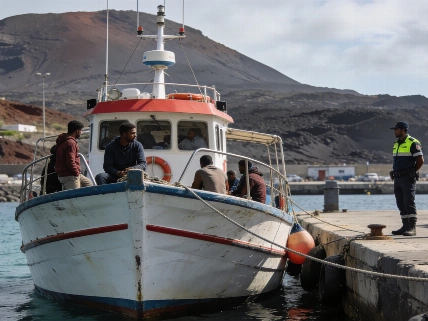
The meeting followed the mass arrival of people from Morocco on 30 and 31 July 2026, after online rumours spread that the border had opened. Tens of thousands crossed into the Spanish autonomous city. Most reportedly left within days, while as many as 15,000 remained, adding pressure on accommodation, welfare services and local coexistence. On 3 September, Sánchez told Spain’s lower house that officials had faced a choice between temporarily allowing people to cross or using force, which he said could have caused more deaths. “Spain needs Morocco’s cooperation to manage migration,” he said.
Officials set two priorities: supporting migrants who remain in the autonomous city and reinforcing security and welfare for Ceuta’s residents. The government pledged to deploy every available state resource to restore normal daily life as quickly as possible, addressing humanitarian needs and public-order concerns amid persistent migration challenges. In an update covering 10 August to 9 October, Inclusion Minister and government spokesperson Elma Saiz said 12,705 people had returned from Ceuta to Morocco. That figure included 12,142 voluntary returns and 536 expulsions. The government also said it had activated 7,477 temporary humanitarian places for people remaining in the city.
Child protection is a impressive part of the response. The same update said Ceuta’s child-protection system was supporting 3,331 migrant minors. Of the transfers to mainland Spain, 107 took place through family reunification and 181 under Article 35 of Spain’s Immigration Law, which the government cited as the mechanism for relocating minors to other autonomous communities. A further 63 files were referred to Morocco.
Asylum figures are separate from the return totals. Interior Minister Fernando Grande-Marlaska said officials had received up to 1,200 asylum applications and resolved 700. Separate figures reported by El Plural put the number granted asylum at around 180. The applications included people already in Ceuta before the July crossings, so the overall approval share does not show the outcome for those who arrived during the surge alone. Reuters also reported that more than 1,000 of the migrants remaining in August were from sub-Saharan countries. Information from government statistics, nationals of those countries receive asylum in Spain in more than 90% of cases. Grande-Marlaska rejected allegations of hidden removals, saying: “There are no covert deportations under any circumstances.”
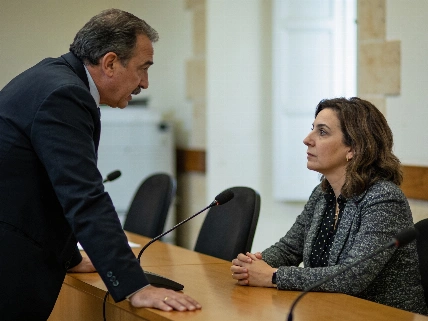
In a parallel move, the executive formally asked several ministers to make extraordinary appearances before the Congress of Deputies. The ministers of Interior, Defence, Foreign Affairs and the Presidency will answer questions before the relevant parliamentary committees. The appearances are intended to provide transparency and accountability about the government’s handling of the situation in Ceuta. They echo previous urgent hearings convened in response to migration surges, including the case when basic ministers were summoned to Congress over a prior Ceuta crisis.
Ceuta, a Spanish enclave on the North African coast, has faced repeated migration surges in recent years, often heightening political and social tensions. Its geographic position makes the city a focal point for irregular crossings, leading Madrid to coordinate closely with local authorities and national agencies. The government’s strategy pairs immediate humanitarian assistance with efforts to restore public order, while seeking to reassure residents that their security and well-being remain a priority. The upcoming parliamentary hearings are expected to provide more detail on the government’s actions and future plans for managing migration and maintaining stability in the region.