From October 1, drivers on major Catalan highways will see speed limits that change on the fly. Spain’s traffic authority is testing a system where sensors and algorithms set the pace based on weather, congestion, and accidents.
On Spain’s busiest highways, the speed limit is about to become a moving target. Drivers will no longer see a single number. Sometimes it will be 120 km/h. Other times, it could drop to 60 or even 40. The limit will shift as road and weather conditions change. El Confidencial reports this is part of a bigger push by the Dirección General de Tráfico (DGT) to bring road safety into real time.
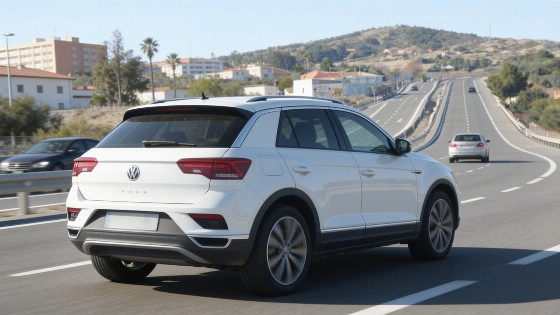
This is not a distant plan. The DGT will start the new system on October 1. The test covers the AP-7 and AP-2 in Catalonia. Digital panels will show speed limits that change throughout the day. The old rule of a fixed 120 km/h cap is gone for these stretches. El Periódico notes the AP-7 was picked because it is one of Spain’s busiest routes. The AP-2 section between Castelldans and Les Borges Blanques is known for thick fog. That’s why it will see the sharpest speed drops.
On the AP-2 between Castelldans and Les Borges Blanques, speed limits can drop to 40 km/h during heavy fog or extremely poor visibility.
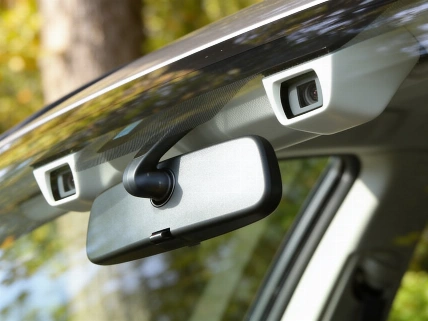
The technology is direct and ambitious. Traffic sensors, live cameras, and algorithms will watch every kilometer. If there’s a jam, a crash, or sudden fog, the system will cut the speed limit right away. Sometimes it will drop to 100, 80, or 60 km/h. In the worst cases, it can go down to 40. These new limits will flash on illuminated signs. They override the usual rules. Drivers must follow them. Motor16 points out the standard 120 km/h limit is not gone, but it can be lowered at any time by the electronic signs.
These limits are not permanent. When a crash clears or the weather improves, the system brings back the normal speed. Drivers won’t be stuck crawling for no reason. The AP-7 will be the main test route. The AP-2, especially the foggy stretch between Castelldans and Borjas Blancas, will see the most aggressive changes when visibility drops. La Dépêche reports that similar dynamic limits are already in use in other parts of Europe to cut accidents and manage heavy traffic.
For drivers, this means watching the digital panels above the road. The DGT wants to see how people react before thinking about a national rollout. All the trial data will be collected and studied. There is no set date for expanding the system beyond Catalonia.
Independent French and Spanish outlets highlight the practical impact for cross-border traffic between France and Spain, as drivers may not expect changing speed limits on familiar routes. This makes clear signage and public awareness especially important during the pilot phase.
This move fits a wider trend toward smarter roads. Spain has already tightened rules for electric car subsidies, as reported earlier, showing a shift toward targeted, data-driven policies.
For now, only two highways are part of the experiment. But the message is clear. If the system works—if it cuts accidents and keeps traffic moving—Spain could set the pace for dynamic road management in Europe. The DGT is testing and tweaking the tech instead of forcing blanket rules. The real question is simple. Will drivers adapt as fast as the algorithms?