Sumar urges the government to reconsider Spain’s joint World Cup hosting with Morocco. The party cites doubts over migration cooperation and human rights. The Ceuta border crisis has intensified scrutiny of the agreement.
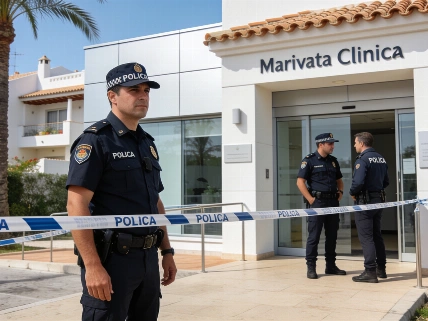
Sumar has formally requested that the Spanish government reconsider its participation in the joint organization of the 2030 FIFA World Cup with Morocco and Portugal. The left-wing coalition argues that recent events at the Ceuta border have raised serious concerns about Morocco’s reliability as a partner, especially after 72,000 migrants crossed into Spanish territory in a short period. Sumar insists that migration cooperation cannot be manipulated for diplomatic leverage and warns against using major sporting events to improve a country’s international image amid unresolved issues.
The coalition’s position, outlined in a document sent to the Congress of Deputies, criticizes the use of migrants as political tools and rejects the criminalization of those arriving in Spain. The timing of the border incident, which followed Pedro Sánchez’s visit to Algeria and legislative moves regarding Sahrawi nationality, has fueled speculation about Morocco’s motives. While Spanish intelligence services believe Morocco allowed the mass crossing but did not orchestrate it, the episode has left lingering doubts about the stability of bilateral agreements.
Both Madrid and Rabat have pointed to a Spanish Supreme Court ruling from July, which prohibits immediate expulsions for sea arrivals who do not breach border infrastructure, as a factor in the surge. However, Sumar maintains that when desperate people become bargaining chips in geopolitical disputes, trust between partners is fundamentally undermined. The party argues that as long as such doubts persist, Morocco should not benefit from the prestige and economic gains of co-hosting the World Cup.
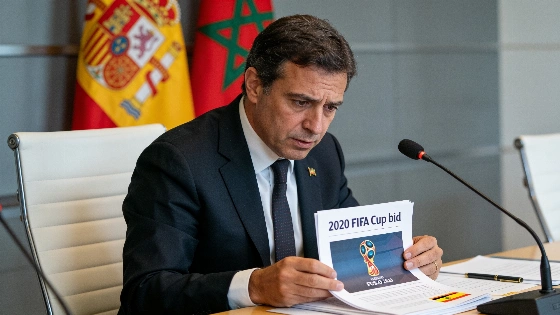
The debate over the final venue for the 2030 tournament remains unresolved. The president of the Spanish Football Federation, Rafael Louzán, has stated that the final is expected to be held in Spain, with Santiago Bernabéu as the leading candidate. However, FIFA has yet to make a definitive decision, and Morocco is actively pushing for Casablanca’s Hassan II stadium, which is undergoing major renovations. This competition for the final match adds further complexity to the joint bid.
Sumar emphasizes that the Spanish government cannot remain a passive observer in this process. The coalition calls for a review of the partnership to ensure it aligns with Spain’s stated principles, particularly regarding human rights. They stress that FIFA’s human rights commitments must be upheld throughout the preparation and execution of the tournament, not just during the bidding phase. Sumar also advocates for independent oversight, greater transparency, and stronger democratic controls over the organization of the 2030 World Cup.
Contextually, the Ceuta crisis has been the subject of significant debate in Spain and Morocco. For example, Morocco has publicly denied using migration as diplomatic pressure, instead attributing the surge to changes in Spanish legal policy. The ongoing uncertainty over the World Cup’s organization reflects broader tensions in Spanish-Moroccan relations, where migration, border management, and international prestige are closely intertwined. As the tournament approaches, the outcome of these debates will shape not only the event itself but also the future of cooperation between the two countries.
For reference, the 2030 FIFA World Cup is set to be the first to span three continents, with Spain, Portugal, and Morocco as joint hosts. The event is expected to bring significant economic and tourism benefits, but also places a spotlight on the host countries’ political and social policies. The final decision on the main stadium and the structure of the partnership remains pending, with both domestic and international scrutiny likely to intensify in the coming years.