Sumar calls for a national plan to elevate Federico García Lorca as a universal icon of creative freedom. The proposal marks 90 years since his assassination and demands stronger cultural and educational initiatives.
Sumar has formally asked the Spanish government to launch a comprehensive initiative that would position Federico García Lorca as a global symbol of creative freedom. The left-wing parliamentary group registered a non-binding proposal in Congress on Tuesday, coinciding with the 90th anniversary of Lorca's assassination by Francoist forces. The plan calls for coordinated action across public administrations to recognize, promote, and project Lorca’s cultural and democratic legacy internationally.
The proposal, which will be debated in the Culture Committee, outlines a series of measures. Sumar wants the Instituto Cervantes, Spanish embassies and consulates, and all cultural outreach programs to actively promote Lorca’s work and persona as a leading figure in contemporary Spanish culture. The initiative also emphasizes the need for educational and cultural activities aimed at younger generations, to deepen understanding of Lorca’s life, works, and historical context.
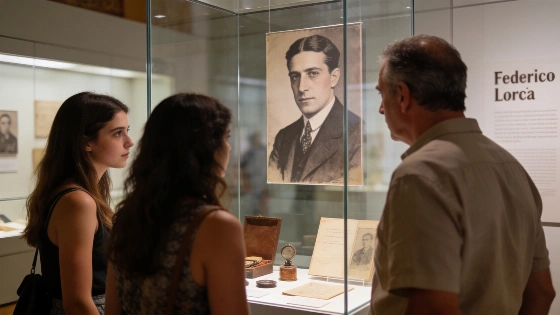
Another key demand is to strengthen the preservation, digitization, research, and public access to all documentary, audiovisual, and cultural materials related to Lorca. Sumar insists that Lorca should be recognized as a victim of Francoist repression and that his story must be integrated into Spain’s public policies on Democratic Memory. The group also proposes boosting the study and dissemination of living cultural expressions linked to Lorca’s work, especially through flamenco, music, theater, dance, recitation, and other forms of popular culture.
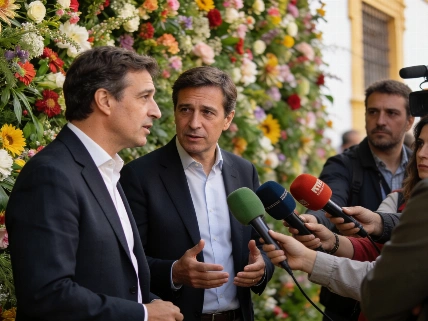
The proposal is signed by three Izquierda Unida deputies: Nahuel González, Toni Valero, and Enrique Santiago. Santiago, who leads the party, highlighted on social media that Lorca was killed by Falangists for being a free spirit, spreading culture with 'La barraca', defending democracy and the Republic, and for his homosexuality. He argued that fascist intolerance made Lorca immortal. Other political figures, such as ERC spokesperson Gabriel Rufián, noted that Lorca’s remains are still missing while those responsible for his death continue to be politically relevant. Prime Minister Pedro Sánchez also marked the anniversary, stating that Lorca’s voice was silenced by violence but his poetry endures. The Ministry of Culture, led by Sumar’s Ernest Urtasun, paid tribute by sharing an image of Lorca’s poem 'Memento' from 'Poema del Cante Jondo'.
Calls to honor Lorca’s legacy come amid ongoing debates about Spain’s historical memory and the role of culture in shaping national identity. As reported by EL PAÍS, the initiative reflects a broader trend of using cultural figures to address unresolved issues from Spain’s past. This approach echoes recent discussions about the influence of public personalities on society, similar to the way debates around influencers have sparked wider conversations about cultural impact, as seen in recent coverage of influencer controversies.
Federico García Lorca remains one of Spain’s most celebrated poets and playwrights, whose work and tragic fate continue to resonate. His execution in 1936 during the Spanish Civil War has become a symbol of the repression suffered by artists and intellectuals under Franco. Efforts to recover his remains have so far been unsuccessful, and his legacy is frequently invoked in debates about freedom, democracy, and cultural memory. The current proposal by Sumar seeks not only to honor Lorca’s artistic achievements but also to ensure that his story is preserved and shared with future generations, both in Spain and abroad.