Economic journalist Victoria Ballesteros, speaking on COPE’s La Tarde programme, cited forecasts of 800,000 temporary contracts in Spain during summer 2026, a projected 12% increase over 2025. As the academic year ends, the seasonal hiring lead could give thousands of young people a chance to earn money and gain work experience. The estimate counts contracts, not necessarily individual workers, since one person may sign more than one during the season.
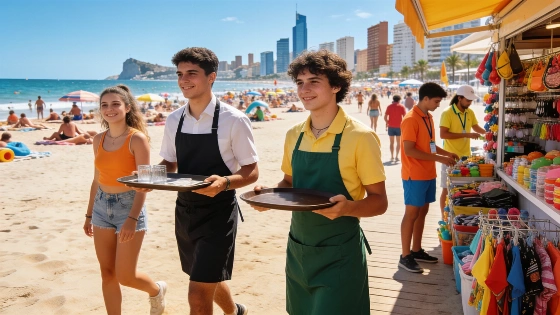
The service sector is driving the surge, as tourist arrivals and staff holidays increase demand for seasonal workers. Ballesteros says seven out of every ten summer jobs for young people are in tourism, hospitality and retail. Waiters, kitchen assistants, hotel staff, shop assistants, shelf stockers and camp monitors are among the most sought-after workers.
Where the Jobs Are
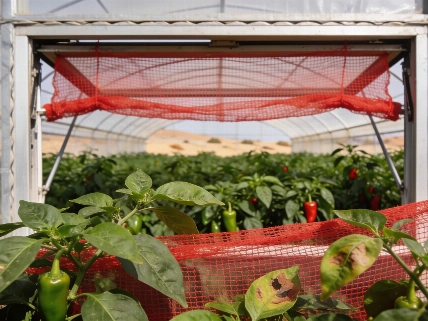
Coastal regions, major tourist destinations and large cities account for many seasonal vacancies. There are also opportunities in agriculture, especially fruit picking, and in wildfire-prevention teams. These jobs may involve physical work, specific training or flexible hours. Less common summer roles also appear during the season, including pool DJs, festival reporters, ice cream tasters and beach or tourism service evaluators.
Pay and Conditions
For many workers, the paycheck is a major draw. Ballesteros estimates that a typical waiter earns around €1,250 per month, with pay potentially reaching €1,700 in peak months when overtime is included, particularly in busy tourist areas. Shop assistants and shelf stockers are estimated to earn between €1,200 and €1,300. Camp monitor pay varies by region, hours, accommodation and contract terms. Actual earnings also depend on the applicable collective agreement and whether quoted amounts are gross or net, with extra payments included or paid separately.
Before accepting an offer, candidates should check the gross salary, payment schedule, working hours and applicable collective agreement. Spain’s 2026 statutory minimum wage is €1,221 gross per month in 14 payments, or €17,094 gross a year. Spread across 12 monthly paychecks, the two additional payments bring that to an equivalent of €1,424.50 gross per month. The wage floor rose 3.1% from 2025, an increase of €37 per payment, and took effect on 1 January under Royal Decree 126/2026. It applies across agriculture, industry and services, regardless of age or sex; part-time pay is proportional to contracted hours. The general daily reference is €40.70. For fixed-term contracts lasting no more than 120 days with the same employer, the stated minimum is €57.82 per legal working day.
Overtime Rules
Higher earnings are not automatically part of the base salary. They depend on overtime and the terms set out in the contract or collective agreement. Under Spanish labor rules, overtime must be paid at least at the rate of an ordinary hour or compensated with paid time off. The general limit is 80 overtime hours a year, and employers must keep daily records of working time. Workers under 18 may not work overtime.
Experience Beyond the Paycheck
Not every young person finds work related to their studies. María, a 19-year-old education student, found a job supporting a nursery, while Carmen moved to Dublin for the sales season to practise English and save money. Even when contracts end with summer, the experience can help young people demonstrate punctuality, responsibility, customer service and teamwork, skills valued in future job searches regardless of academic background.
Spain’s public employment service, SEPE, says temporary contracts must state the reason for hiring, the circumstances that justify it and the expected duration. When a contract based on production needs ends, workers are entitled to compensation equal to 12 days’ pay for each year worked.
Spain’s seasonal hiring boom reflects the importance of tourism and services to the economy, while highlighting how labor protections shape young workers’ first jobs. For many, a summer position offers more than a paycheck: it is an early step into working life.