The Supreme Court has denied the PP’s urgent request to force immediate government explanations on the Ceuta crisis. The decision highlights judicial caution amid ongoing political conflict. Key questions remain unresolved.
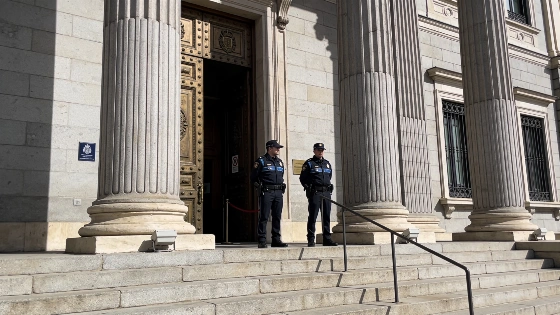
The Supreme Court has rejected the Partido Popular’s (PP) attempt to impose an urgent timetable for government accountability over the Ceuta migration crisis. The court’s decision, delivered by its Vacation Chamber, dismissed the PP’s request for immediate measures, citing insufficient justification for bypassing standard procedures. This move underscores the judiciary’s preference for caution in the face of escalating political disputes.
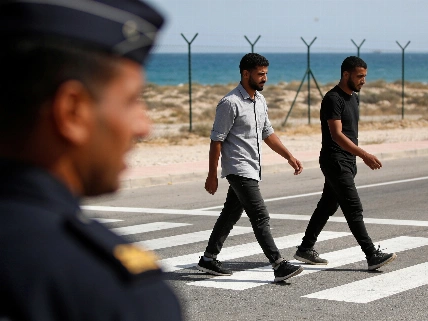
The PP had sought to compel the government to appear in the Senate on specific dates to explain its handling of the mass migrant crossing in Ceuta on July 30. However, the Supreme Court found no “special urgency” that would warrant sacrificing the government’s right to respond. Instead, the court granted the executive ten days to present its arguments, emphasizing that the public interest in the Ceuta crisis would not disappear in the interim.
Political pressure from the PP has intensified since the events in Ceuta, with the opposition demanding swift explanations and accountability. Despite this, there has been little sign of dialogue or cooperation between the main parties. The court’s ruling makes clear that parliamentary rights are not being violated by allowing the government time to defend its decisions, and that judicial intervention should not replace political negotiation.
The Supreme Court’s decision leaves open the possibility of further rulings on jurisdiction and admissibility, but for now, it sets a precedent for measured judicial involvement. The PP’s strategy of leveraging its Senate majority has faced criticism for fueling institutional tension, particularly through controversial attempts to reform parliamentary rules. This ongoing standoff has contributed to a broader climate of political and institutional strain.
Debate has also emerged over the roles of the King and the government in foreign policy, especially regarding potential royal involvement in the Ceuta situation. The government, led by Pedro Sánchez, has described the July events as an “attack on Spain’s territorial integrity.” The importance of any royal visit to Ceuta, however, is seen as dependent on coordinated action between the Royal Household and the executive.
For additional context, the unresolved migrant influx in Ceuta has previously forced the government to present its version in Congress, with several ministers called to testify. This episode, as detailed in a related report, exposed deep political divisions and highlighted the ongoing challenges in managing the crisis and its aftermath.
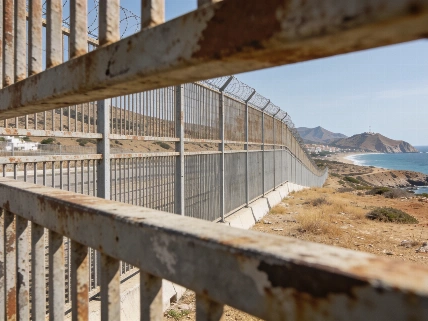
Ceuta, a Spanish enclave on the North African coast, has long been a focal point for migration issues between Spain and Morocco. The July 30 incident saw a significant increase in arrivals, straining local resources and prompting national debate. The Supreme Court’s intervention reflects the delicate balance between political urgency and judicial prudence in Spain’s institutional framework. As the situation develops, the effectiveness of parliamentary oversight and the government’s response will remain under close scrutiny.