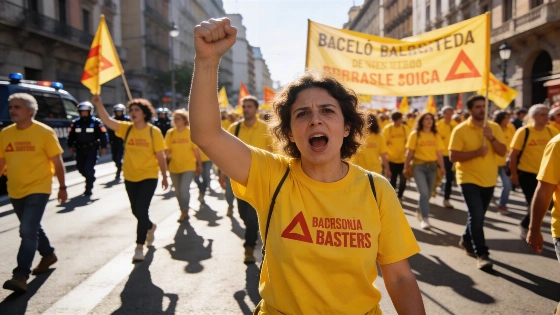
Catalonia Prepares Budget Amid Strikes and Education Crisis. Conflicts in the education sector and police have intensified in Catalonia. The Illa government is trying to negotiate the budget with ERC and Comuns. Massive teacher protests are taking place on the streets of Barcelona.
Several crises have escalated simultaneously in Catalonia: a mass teachers’ strike, disputes over the Mossos d’Esquadra, and unresolved issues with Rodalies coincided with the government’s attempts to coordinate the 2026 budget. President Salvador Illa, in power for two years, has found himself under pressure from unions, the opposition, and his own parliamentary allies.
Strike and conflict in schools
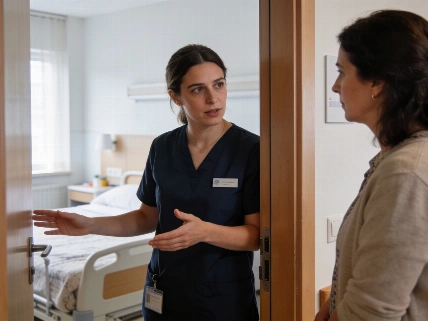
In Barcelona and other cities in the region, thousands of teachers took to the streets demanding more staff, less bureaucracy, and higher wages. Protests intensified after the authorities proposed a pilot project to introduce the Mossos d’Esquadra into schools to tackle adolescent violence. Tensions further rose when two plainclothes police officers appeared at a teachers’ meeting. As a result, four parliamentary factions—Junts, ERC, Comuns, and CUP—demanded the resignation of police chief Josep Lluís Trapero.
The government cites agreements with minority unions CC OO and UGT and promises to invest €2 billion in education—the first time in a decade. However, major unions consider these measures insufficient. Authorities note that social sector problems have been accumulating for years while previous administrations focused on the political independence process.
Budget under pressure
Budget approval has become a key test for Illa. In March, the draft had to be withdrawn due to the risk of failure in parliament. Now, negotiations with ERC have progressed, and the authorities expect to approve the budget by the end of July. According to ERC representatives, discussions are ongoing, but demands regarding IRPF collection have been dropped, with the focus shifting to developing the railway connection in Barcelona's second belt. A bilateral commission is expected to be convened in the coming days for final approval.
In parallel, Illa continues international activities: after the government meeting, he traveled to California to promote the Catalan audiovisual industry and establish contacts with Silicon Valley. Over two years, the president has made several foreign trips, including to Japan, Korea, China, and Mexico, to attract investment.
Rodalies and other challenges
Amid educational protests, the authorities reported progress in modernizing Rodalies—the railway network where a tragic accident with a trainee driver occurred in January. After the incident, critical issues with safety and infrastructure were identified. Currently, Renfe, Adif, the Ministry of Transport, and the Catalan government are investing over €180 million in upgrading the system. Free travel has been canceled, and the main focus is now on completing work in the Garraf and Rubí tunnels.
In housing policy, Illa continues the implementation of the plan to expand the public stock by 50,000 apartments and launches new support measures for people with disabilities, as well as healthcare reforms aimed at reducing the number of medical leaves.
Reaction from allies and the opposition
The leaders of Comuns and ERC criticize the government for its weakness and inability to resolve conflicts without external pressure. In their view, the authorities are often forced to reconsider decisions under pressure from their allies. The issue of regional financing remains unresolved: the model agreed with the central government has yet to be approved in Congress, and Junts may again block the project, as was the case with the investment consortium.
Questions about transparency in budget processes and political risks for Illa have already been raised in the Catalan press. For example, the conflict over the timing of budget negotiations and accusations against Illa's government from the PP.