Santiago de Compostela faces growing discontent as groups of pilgrims display disruptive behavior in the historic center. The city’s unique dependence on pilgrimage tourism highlights a complex local paradox.
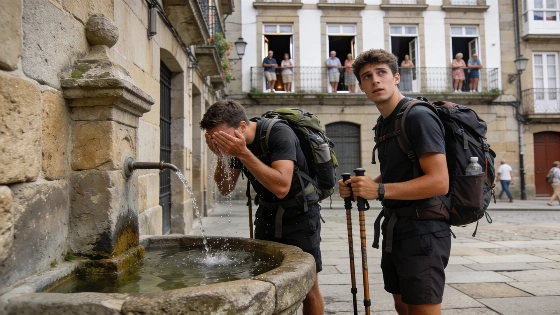
This summer, Santiago de Compostela has seen a surge in complaints from residents about the conduct of groups of pilgrims arriving via the Camino. Videos circulating online show some pilgrims singing loudly, crowding narrow streets, and consuming alcohol in local bars before urinating in public corners of the historic center. Such scenes have left many locals frustrated, as the city’s daily life is increasingly disrupted by the seasonal influx.
The tension is particularly acute in the old town, where the contrast between the spiritual reputation of the Camino and the reality of some visitors’ actions is stark. Residents report that the noise and disorder have reached levels that test their patience, with some expressing a sense of alienation in their own neighborhoods. The paradox is clear: Santiago de Compostela owes its very existence to the pilgrimage route, yet the behavior of some pilgrims now challenges the city’s social fabric.
Historically, Santiago was established around the tomb of the apostle, with the explicit aim of attracting visitors to a remote part of the kingdom. Over centuries, the city’s identity has been shaped by the flow of pilgrims, and even the term “español” is said to have originated from the way medieval travelers referred to locals along the route. The city’s economy and culture remain deeply tied to this tradition, making the current backlash against tourists especially complex.
Despite the irritation, many acknowledge that the presence of pilgrims is inseparable from Santiago’s character. The annual arrival of these groups serves as a reminder of the city’s origins, much like the sheep that cross Madrid each year to recall its pastoral past. For now, residents are left to navigate the challenges of peak season, hoping for more respectful behavior from visitors and greater understanding of the city’s unique situation.
Similar tensions between locals and visitors have been observed in other Spanish cities, as highlighted in recent coverage of public reactions to influencer controversies. For example, the debate around social media personalities and their impact on local communities was explored in a recent report on influencer disputes in Spain, underscoring the broader national conversation about tourism and public space.
Santiago de Compostela’s experience reflects a wider trend in Spain, where the benefits of tourism are often weighed against its social costs. The city’s reliance on the Camino ensures that the debate over how to balance tradition, economy, and quality of life will remain central in the years ahead. As the summer season continues, both residents and pilgrims face the challenge of coexisting in a city defined by its role as a destination.
For context, Santiago de Compostela is the capital of Galicia and a UNESCO World Heritage Site, attracting hundreds of thousands of pilgrims and tourists annually. The Camino de Santiago, or Way of St. James, is one of the most important Christian pilgrimage routes in the world, with origins dating back to the 9th century. The city’s historic center is renowned for its Romanesque, Gothic, and Baroque architecture, and its economy is heavily dependent on tourism-related services. Managing the impact of mass tourism while preserving local life remains a key issue for municipal authorities and residents alike.