A wave of sudden battery failures in Tesla Model Y taxis has immobilized dozens of drivers across Spain. With repairs delayed and costs soaring, affected owners are now organizing to demand answers from the manufacturer.
Spanish taxi drivers are watching their Teslas sit idle. Their Model Y cars have stopped working without warning. For many, this means no income. Some have already been off the road for months. No fix is in sight.
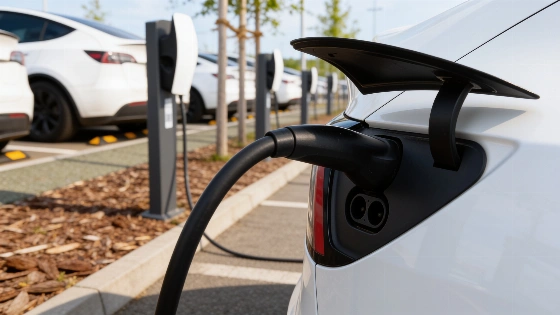
Every case points to the same pattern. The affected cars are Tesla Model Y units built in Berlin and sold since May 2023. All use BYD LFP batteries. Drivers say the failures spiked this summer. Most happened after fast charging in hot weather. The result? A critical insulation fault. The car will not move. There is no quick repair.
Tesla's battery warranty in Europe typically covers 8 years, but the mileage limit and minimum remaining capacity depend on the specific Model Y version.
Fixing these batteries is nearly impossible. They are built into the car and glued under the seats. The only option is a full battery swap. That takes time and money. Fermín del Castillo, a Madrid taxi driver, has been waiting since August for a new battery. He does not expect a solution before November. "I planned to return to work after the holidays on August 20, but I have now been out of service for over a month," he says.
Warranty coverage is not equal for all. Drivers with less than 160,000 kilometers are under warranty. Even so, they face long waits. Tesla is slow to respond and batteries are in short supply. Others have already passed that mileage in just over three years. They face a hard choice. Pay more than €16,000 for a new battery or give up the car. Daniel Aldaya, another Madrid driver, was quoted €16,027 for a replacement. His car is just over three years old. It now sits unused. No income. No solution.
Drivers have started their own investigation. They have spoken with engineers at the Berlin Gigafactory. The problem does not seem to be the BYD battery itself. Instead, it points to the way the cars are put together at the Berlin plant. Bad insulation lets in moisture and heat. That triggers the fault. The issue is hitting cars with low mileage and less than three and a half years on the road.
According to independent industry data, Tesla Model Y batteries typically retain about 90% of their capacity even after 150,000 kilometers, indicating that sudden failures are not usually due to natural battery aging but may result from isolated component defects.
Frustration is growing. Drivers are joining forces across Spain. They are building a platform for collective action. So far, 25 cases have been counted. More are coming in. They are gathering data and preparing a class-action lawsuit against Tesla. Some drivers are thinking about selling their taxi licenses. They cannot afford to keep a car that does not run.
This crisis hits as Spain's electric vehicle market is changing fast. Companies like BYD and Tesla are pushing new models and new ways to build cars. As reported earlier, production is speeding up and more electric taxis are hitting the streets. But these battery failures show how fragile the shift can be for working drivers.
For Spanish taxi owners, the lesson is clear. Electric cars must be reliable and backed by real support. One technical flaw can put a whole fleet out of work for months. It can ruin owners financially. The pressure on Tesla is rising. Drivers want answers. The company now faces a test. Its response will shape the future of electric taxis in Spain.