Sónar 2026 ended with The Prodigy and Stoor delivering standout performances. The festival’s final night drew thousands, maintaining its signature intensity despite changes. Key acts shaped the atmosphere and left lasting impressions.
The closing night of Sónar 2026 in Barcelona brought a surge of energy, with The Prodigy and Stoor dominating the festival’s final hours. This edition, the first without its original founders, saw the Saturday night crowd fill the venue, keeping the event’s reputation for high-intensity dance and hedonism alive. Despite a new daytime location that left some daytime activities less defined, the night program retained its force, drawing thousands who returned for the unique atmosphere and collective memory that Sónar has built over decades.
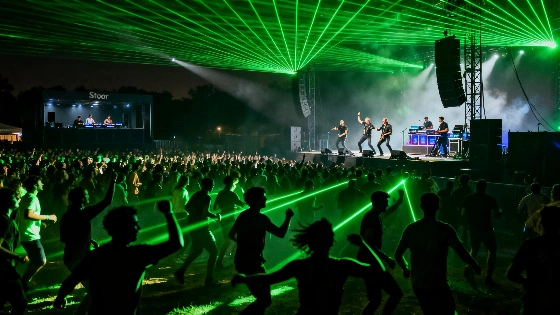
The Prodigy took the stage before 22:00, immediately igniting the crowd with their signature blend of hard-hitting electronic beats, punk-inspired guitar riffs, and provocative chants. Classics like Omen, Voodoo People, and Firestarter—now three decades old—triggered waves of excitement, with green lasers and synchronized movement from the 12,000-strong audience in the Club area. The band’s aggressive aesthetic, complete with oversized stage props, balanced theatricality with nostalgia, resonating with festival-goers who have followed them since the 1990s. Their set, while not experimental, delivered exactly what the audience expected: a powerful, physical experience that reaffirmed Sónar’s identity.
Stoor, meanwhile, provided a contrasting but equally intense experience in the Sónar 2.026 space. The area’s improved layout and immersive sound design created a literal and figurative pulse that could be felt throughout the venue. At 2:00 a.m., the darkened room was filled with shifting, industrial and psychedelic sounds, anchored by a relentless 4x4 techno beat. Five DJs, including Speedy J, Dasha Rush, Luke Slater, Matther Johnson, and Ø [Phase], improvised for hours, building a dynamic, jazz-like techno session that drew long queues and kept the energy high. The interplay of layered rhythms and minimal lighting heightened the sense of euphoria and unpredictability, marking Stoor as one of the festival’s standout discoveries this year.
Other acts added to the night’s diversity. Two Shell, performing with concealed identities, offered UK Garage and house-inspired rhythms, while Takuya Nakamura blended jazz phrases with jungle and drum&bass, even singing in Japanese scales that altered the expected sound. Wata Igarashi’s precise techno and whomadewho’s pop-infused set in the Village rounded out the musical landscape. As dawn approached, some attendees rested beneath the Organysmo installation, while others continued dancing until the festival’s final moments. Sónar 2026 concluded with questions about its future direction, especially after the founders’ departure and the changes to its daytime programming.
Sónar remains one of Europe’s leading electronic music festivals, known for its innovative programming and international draw. The event typically attracts tens of thousands of visitors to Barcelona each June, contributing significantly to the city’s cultural and economic life. The festival’s ability to adapt—balancing tradition with new formats—will be closely watched in future editions as it continues to shape the European festival landscape.