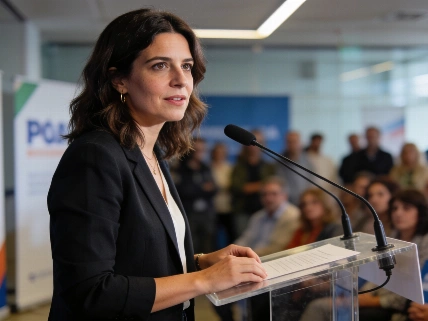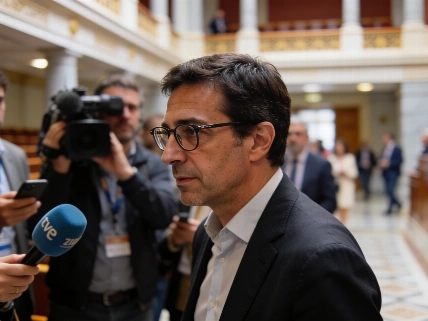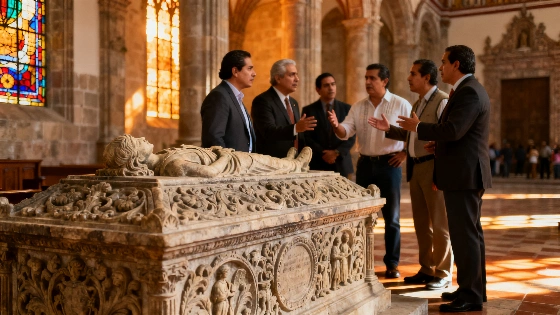
Mexico proposes exchanging Cortés's ashes for a Mayan codex: memory diplomacy. A proposal is being discussed in Mexico City to exhume the remains of Hernán Cortés and transfer them to Spain in exchange for the return of ancient Mayan relics. This move could reshape the approach to historical memory and mark a new stage in relations between the two countries.
In Mexico City, an initiative is being discussed to exchange the ashes of Hernán Cortés for a Mayan codex, which could set a precedent in the diplomacy of cultural memory between Mexico and Spain.
The gist of the news
Mexican writer and politician Pedro Miguel has proposed the official exhumation of the remains of Hernán Cortés, held in central Mexico City, and their transfer to Spain. In return, he suggests that Mexico be given back one of the key pre-Columbian relics—the Tro-Cortesianus (Madrid) Codex or another artifact taken during the conquest.
Why it matters
The issue of Cortés’s ashes goes beyond a symbolic gesture: it raises painful questions of historical justice, memories of colonization, and rights to cultural heritage. Miguel’s proposal is an attempt not only to reconsider attitudes toward the figure of Cortés, but also to return some of Mexico’s lost artifacts—potentially setting an example for other countries with colonial pasts.
Context
The initiative was prompted by the visit of Isabel Díaz Ayuso, head of the Madrid autonomous community, who intended to take part in a memorial ceremony for Cortés. This sparked protests among the Mexican public and Indigenous peoples, for whom Cortés is a symbol of violence and destruction. In modern Mexico, his name is rarely spoken of positively, and there are virtually no monuments to him.
The issue of returning cultural property has long been on Mexico’s agenda: authorities regularly demand that European museums return pre-colonial era artifacts. However, the proposal to exchange Cortés’s remains for relics is the first time such a direct diplomatic barter has been discussed.
Who is affected
- Mexican society, especially indigenous communities for whom historical memory is of fundamental importance.
- Spanish authorities and cultural institutions that possess pre-Columbian relics.
- Diplomats and politicians from both countries who determine the framework for bilateral relations.
What may change
- If the initiative gains support, it may set a precedent for the exchange of other relics between former colonies and metropolises.
- The format of public events related to controversial historical figures may be reconsidered.
- Public debate on the return of cultural property and the re-evaluation of colonial heritage may intensify.
What remains unknown
- There has been no official response from the Spanish authorities to Miguel's proposal.
- It is unclear whether the Mexican government will officially support the initiative.
- It has not been determined which specific relics could be subject to exchange or whether such a legal mechanism is possible.
How not to misinterpret
- This is a private initiative, not a coordinated interstate decision.
- Discussion does not mean the automatic return of relics or exhumation of remains—it is the start of a public dialogue.
- The proposal does not negate complex historical assessments; rather, it underscores how acute the issue of the colonial past is perceived.
Conclusion
The initiative to exchange Cortés's remains for a Mayan codex is not just a symbolic gesture, but an attempt to bring questions of justice and cultural memory to the forefront of diplomatic relations. It is important to watch the responses of both countries' authorities and the development of the discussion on the return of cultural property.