A new homemade method using toilet paper and essential oils is gaining attention as summer brings a surge in mosquitoes. While citronella can help mask scents that attract insects, experts warn it should not replace approved repellents or basic prevention.
As temperatures rise, many households are searching for ways to keep mosquitoes at bay without relying on plug-in devices or chemical sprays. One method gaining traction on social media involves nothing more than toilet paper and a few drops of essential oil—most often citronella. The approach is straightforward: cut several strips of toilet paper, place them on a small tray or dish, and add a few drops of a strong-smelling essential oil. The paper absorbs the oil and gradually releases its scent into the room, which can make the space less appealing to mosquitoes.
This trick is especially popular during the summer months, when mosquitoes become a persistent nuisance in living rooms, bedrooms, and outdoor terraces—particularly at dusk and overnight. By placing the scented paper near windows, doors, or entryways, some hope to create a subtle barrier against these insects. However, it is important to keep the setup out of reach of children, pets, and delicate surfaces, as essential oils can be irritating or cause stains.
How Citronella Works
Citronella oil, derived from Cymbopogon grasses, is widely recognized for its mosquito-repelling properties. Its strong aroma can help mask the human scents that attract mosquitoes, but its effectiveness is limited by concentration and how it is used. While citronella is a common ingredient in natural repellents, its protective effect tends to be short-lived and less reliable than regulated products.
Limitations of Homemade Remedies
Although the toilet paper and essential oil method can help freshen a room and may reduce mosquito activity indoors, it should not be considered a substitute for approved repellents—especially when spending time outdoors or in areas with high mosquito populations. Health authorities, including the CDC, recommend using registered repellents containing ingredients such as DEET, picaridin, IR3535, or oil of lemon eucalyptus for proven protection. These products have been tested for safety and efficacy when used as directed.
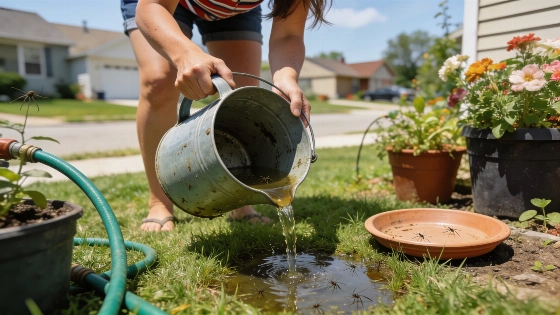
Basic preventive measures remain essential: installing window screens, eliminating standing water from plant pots, buckets, or trays, and keeping outdoor containers clean. Local health officials, such as those in Madrid, emphasize that even small amounts of stagnant water can serve as breeding grounds for mosquitoes like the tiger mosquito, making regular emptying or inverting of containers an important step in prevention.
Risks of Alternative Methods
Some online variations suggest rolling up kitchen paper with toothpaste and burning one end to spread the scent throughout a room. Experts strongly advise against this practice indoors due to the risk of fire, smoke, and exposure to potentially irritating substances. Studies have shown that burning mosquito coils or similar products can release pollutants, especially in poorly ventilated spaces, posing health risks.
For those seeking a safer approach, the simplest option is to stick with the non-flammable version: toilet paper infused with a few drops of essential oil, placed strategically around the home. If mosquito activity remains high, combining this method with approved repellents, window screens, and the removal of breeding sites offers the most reliable protection.
While homemade solutions like the toilet paper trick can offer some relief, they are best used as a supplement—not a replacement—for established mosquito control measures. As always, following official guidance and using registered products remains the safest way to avoid bites and the potential health risks associated with mosquitoes.