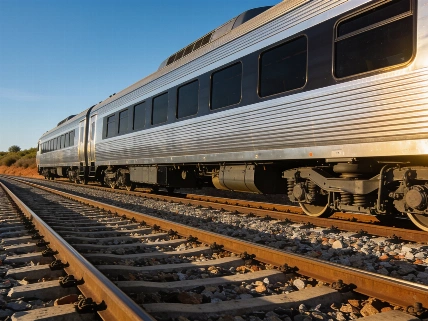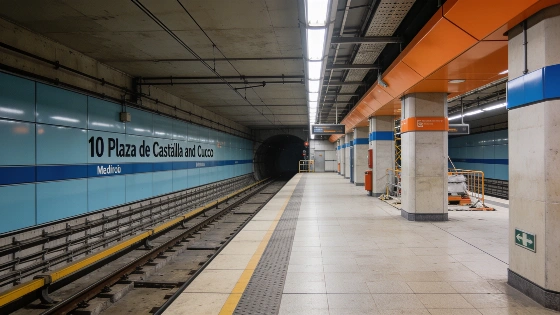
Metro Line 9 service in Madrid was blocked on Monday morning after a maintenance train remained on the tracks overnight, causing major delays. Thirteen stations between Sainz de Baranda and Puerta de Arganda were shut down in both directions, leaving much of the city’s eastern corridor without metro access.
The closure was announced at 6:14 a.m., catching early commuters by surprise and forcing many to find other ways to get to work. Metro de Madrid cited "technical causes" but did not immediately explain the problem. The company estimated repairs would take at least two hours but did not say when service would resume. Information from Europa Press and Infobae, only the section between Puerta de Arganda and Sainz de Baranda was affected; the rest of Line 9 continued running. Service sources told Democrata and La Vanguardia that the disruption followed the need to remove a maintenance vehicle from the tracks after overnight work, rather than a general technical failure.
The incident came just a day after the Gran Premio de España, an event that usually puts extra pressure on public transport. Whether or not the timing was related, it showed how easily Madrid’s network can be strained during busy periods. For thousands of commuters, the sudden shutdown meant missed connections and crowded buses or taxis on already busy streets.
Line 9 is a basic route for eastern Madrid, connecting residential neighborhoods to business areas. It also links passengers to transfer points. Closing nearly half its stations disrupted daily routines and complicated the city’s broader transit plans. As with the recent breakdown of Barcelona’s express bus, transport failures in Spain’s big cities have immediate, wide-reaching effects. EMT responded by sending bus line 71 to cover the closed metro segment, giving stranded passengers a temporary alternative, as reported by Democrata and others.
So far, Metro de Madrid has focused on the technical nature of the problem and the estimated repair time. It has given no details about the specific fault or whether similar risks exist elsewhere on the network. Passengers have been told to use other transport, but with few options during rush hour, frustration is growing.
Madrid’s metro is usually considered reliable, but the incident shows how a maintenance train left on the tracks can halt nearly half a major line. The lack of clear information and backup plans for such a large disruption raises questions about the system’s preparedness. Until officials explain what happened and how they will prevent a repeat, public confidence in the metro will remain shaky.