Three people lost their lives in separate road accidents across Catalonia during the Diada holiday. Two of the victims were motorcyclists. Authorities urge caution as traffic volumes reach record highs.
Three people died in separate road accidents across Catalonia as the Diada holiday brought heavy traffic to the region. Two of the victims were motorcyclists. According to Servei Català del Trànsit (SCT), more than 540,000 vehicles left Barcelona and its surrounding areas between Thursday night and Friday afternoon. By 3 p.m., 98.4% of the expected 550,000 vehicles had already departed, reflecting the scale of the holiday exodus.
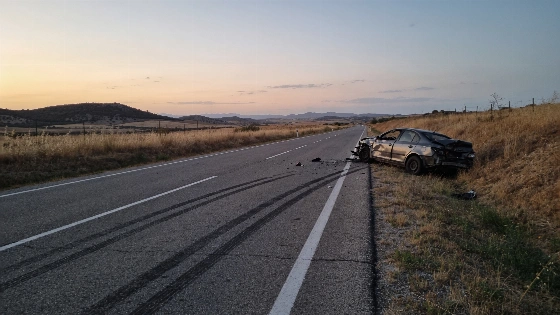
The first fatal crash happened late Thursday on the N-340 near Altafulla in Tarragona. A 27-year-old woman from l’Arboç died in a three-car collision that also injured four others. Emergency services responded quickly, but the woman could not be saved. The crash took place at kilometer 1174.6 of the N-340, a reminder of the risks on major routes during peak travel times.
The summer road safety campaign in Spain ended with 240 fatalities nationwide, according to RTVE, with the average daily death toll among motorcyclists dropping below one for the first time since 2014.
On Friday, two motorcyclists died in separate accidents within ten minutes of each other. The first was a head-on collision between a motorcycle and a car on the N-260 in Ribera d’Urgellet. The motorcyclist died at the scene. Shortly after, another crash on the C-59 in Caldes de Montbui involved a car and a motorcycle; the rider also died at the scene. Both incidents were confirmed by the SCT and happened almost simultaneously, highlighting the particular risks motorcyclists face during busy travel periods.
Authorities have called on all drivers, especially motorcyclists, to be extra cautious and follow safety rules. The SCT notes that motorcyclists continue to make up a large share of road deaths in Catalonia. Officials and local media have repeatedly urged "maximum caution" during holiday travel, pointing out that those on two wheels remain among the most vulnerable on the roads.
Since the start of the year, 93 people have died on Catalan roads, according to the SCT. The Diada holiday, which always brings a surge in travel, has again exposed the dangers that come with increased traffic and the ongoing challenge of keeping roads safe during peak times. The risks for motorcyclists remain especially high.
After these recent accidents, the official death toll on Catalan roads for 2026 rose to 93, with SCT previously reporting a provisional figure of 91 earlier in the day. This rapid update in statistics reflects the ongoing challenges in road safety management during high-traffic periods.
While the Diada is usually known for political gatherings and public events, as reported earlier, this year the focus shifted to the toll on the roads. Accidents involving motorcyclists are not unique to Catalonia, but the cluster of incidents during high-traffic periods raises questions about infrastructure, enforcement, and public awareness.
With the SCT reporting a stubbornly high number of fatalities, it is clear that warnings alone are not enough. The repeated loss of life during holiday travel points to the need for more concrete action—whether through targeted enforcement, better road design, or renewed public campaigns. Until authorities move beyond appeals for caution and take stronger measures, Catalonia’s roads will remain dangerous, especially for motorcyclists.