Players Threaten Grand Slam Boycott Over Revenue Dispute. Tennis players have increased pressure on Grand Slam tournament organizers. Top-ranked athletes are discussing a potential boycott due to the organizers’ refusal to share revenues. The issue involves millions of euros and the future of the sport.
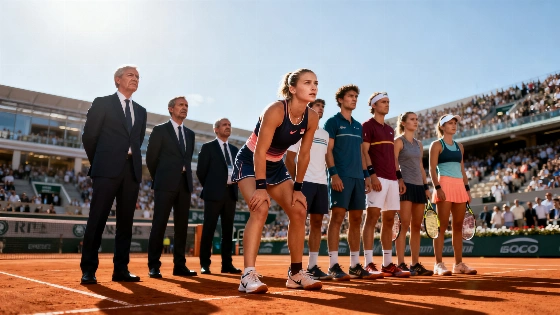
A conflict is brewing in world tennis between leading players and the organizers of the Grand Slam tournaments. Amid prolonged negotiations over revenue sharing, the athletes have, for the first time, openly declared the possibility of a boycott if their demands are not heard. This became known following the statement by world number one Aryna Sabalenka at a press conference ahead of the start of the Italian Open Championship.
Pressure on organizers
Sabalenka stated that a boycott might be the only way to achieve a fair share of revenues for the players. According to her, attempts to reach an agreement with organizers through letters and official appeals have led nowhere. Over a year ago, tennis players sent a letter to tournament directors asking them to increase the percentage of payouts from overall revenue, as well as to establish a support fund and a players’ council at tournaments. However, as participants in the negotiations note, there has still been no substantial response to these initiatives.
Unifying positions
Previously, many top players preferred not to comment on the issue publicly. But now Sabalenka has been joined by Coco Gauff, Iga Swiatek, and Jannik Sinner, who have openly voiced their dissatisfaction with the current revenue distribution system. Sinner emphasized that the lack of response from the tournaments is seen as disrespect towards athletes. Gauff pointed out that it is precisely the top-ranked players who can defend the interests of lesser-known players, for whom prize money is critical.
Financial gap
Despite the fact that top tennis players earn millions of euros, their share of tournament revenues remains low—estimated at around 13–15%. Organizers argue that most of the profits are reinvested in infrastructure and support for national federations. For example, 90% of Wimbledon’s profits are transferred annually to the Lawn Tennis Association, amounting to £48.1 million last year. However, for players from countries with minimal federation support, such arguments are unconvincing.
Reaction and prospects
For now, the likelihood of an actual boycott is considered low: top players are not prepared to sacrifice personal goals and income. Nevertheless, the very fact of public pressure and boycott threats marks a new stage in the dispute. The latest prize money decision at Roland Garros, which ignored players’ demands, has only intensified tensions. Now, the focus shifts to Wimbledon, where a new announcement on prize payouts is expected.
According to RUSSPAIN, such conflicts in tennis are not new, but such an open unification of positions among top-ranked players is rare. Experts note that the further development of the situation could influence the financial model of professional tennis as a whole and the recognition of players as key stakeholders in the industry.